Home Authors Posts by Dr. Marie Gabrielle Laguna

Dr. Marie Gabrielle Laguna

756 POSTS 0 COMMENTS
Medical doctor-internist

18. Why People Who Use Artificial Sweeteners Always Feel Hungry

Artificial Sweeteners

Reviews in both animals and humans have pointed out that ingesting artificial sweeteners could make you feel hungry and without a doubt eat more. A comprehensive study by researchers from the University of Sydney has published recently why this response occurs.

Published in the Journal Cell Metabolism, the results highlight how artificial sweeteners affect the brain in regulating appetite and in modifying taste sensations. Researchers from the University of Sydney’s Charles Perkins Centre and the Garvan Institute of Medical Research have identified a new method in the brain that senses and integrates the calories and sweetness of meals.

Lead researcher Associate Professor Greg Neely from the University of Sydney’s Faculty of Science remarks, After chronic exposure to a diet that contained the artificial sweetener sucralose, we saw that animals began eating a lot more. Through systematic investigation of this effect, we found that inside the brain’s reward centres, sweet sensation is integrated with energy content. When sweetness versus energy is out of balance for a period of time, the brain recalibrates and increases total calories consumed.

Hunger From Sweeteners

In this particular study, fruit flies that have been exposed to food with artificial sweetener for prolonged durations (more than 5 days) had been observed to devour 30 percent more calories after they have been given naturally sweetened food. The author again remarked, When we investigated why animals were eating more even though they had enough calories, we found that chronic consumption of this artificial sweetener actually increases the sweet intensity of real nutritive sugar, and this then increases the animal’s overall motivation to eat more food.

Many people consume artificial sweeteners and they’re prescribed as a tool to deal with weight problems, despite little evidence on their impact on the brain and in regulating starvation. This is the first research to establish how artificial sweeteners can stimulate appetite, with researchers deciding upon a difficult neuronal network that responds to artificially sweetened food by means of telling the animal that it still lacks energy.

According to the author Using this response to artificially sweetened diets, we were able to functionally map a new neuronal network that balances food’s palatability with energy content. The pathway we discovered is part of a conserved starvation response that actually makes nutritious food taste better when you are starving.

Another author further remarked, These findings further reinforce the idea that ‘sugar-free’ varieties of processed food and drink may not be as inert as we anticipated. Artificial sweeteners can actually change how animals perceive the sweetness of their food, with a discrepancy between sweetness and energy levels prompting an increase in caloric consumption”

If you want to know more on how to take care of your health the best way possible, feel free to read our other articles on this site.


Reference: Science Daily

Written By: Dr. Marie Gabrielle Laguna Bedia

17. Diabetes Risk Is Lowered By High Fat Dairy Products

High Fat Dairy Products

A new study presented at this annual assembly of the European Association for the Study of Diabetes (EASD) in Vienna, Austria indicates that individuals with the highest consumption of high-fat dairy products like eight or more parts per day have a 23% decreased risk of having Type 2 diabetes than those with lower consumption, such as 1 or much less than that per day. The study was done by Dr Ulrika Ericson, Lund University Diabetes Center, Malmö, Sweden, and colleagues.

Dietary fats might affect glucose metabolism and insulin sensitivity and could therefore have a central function in the development of Type 2 diabetes (T2D). Experiences have indicated that exchanging saturated fats with monounsaturated and polyunsaturated fats possibly beneficial in the prevention of T2D. Consistent with this, plant sources of fats were viewed to be a greater choice when put next with animal sources.

Indeed, excessive intakes of red meat and meat products were shown to increase the risk of T2D. Nevertheless, several epidemiological reports have indicated that a high intake of dairy products may be protective. Due to this fact, the importance of dietary fats content and sources of fat remains to be clarified. In this study, the authors aimed to evaluate intakes of major dietary fats sources, categorised according to fat content, and their relationship with risk of developing T2D.

Dairy Products

The study gathered data from 26, 930 members (60% women), aged 45-74 years, from the population-situated Malmö Diet and Cancer cohort. Dietary data was accumulated with a modified weight-reduction diet history taking. On the 14 years of follow up, 2860 incident T2D instances were recognized. Modelling was used to estimate hazard ratios (HR) of diabetes incidence in quintiles of energy adjusted dietary intakes. The model incorporated changes for age, sex, season, weight loss program evaluation variation, energy intake, BMI, recreation, exercise, smoking, alcohol consumption and schooling.

The researchers observed that high consumption of dairy producs high in fat was related to a 23% lesser incidence of T2D for the higher consuming 20% of the participants compared with the lower ingesting 20%.

Regarding intakes of certain high-fat dairy foods, growing intake of cream (30ml or more a day within the best possible consumption 20% versus 0.3ml a day or much less within the lowest consuming 20%) was related to a 15% reduction in the risk of establishing Type 2 diabetes. High-fat fermented milk consumption also decreased the chance of diabetes progression through 20%, when comparing the greatest consumers (180ml/day, the highest 10% of consumers), with the non-consumers (60% of participants).

Contrasting to these findings, there was no association between intake of low-fats dairy products and the danger of progression to type 2 diabetes.

Excessive intakes of meat and meat products have been, despite fat content, related to accelerated chance, however the improved risk was once greater for lessened fats meats, each referring to the chance in the higher-ingesting versus lowest-ingesting.

According to the researcher, Our observations may contribute to clarifying previous findings regarding dietary fats and their food sources in relation to T2D. The decreased risk at high intakes of high- fat dairy products, but not of low-fat dairy products, indicate that dairy fat, at least partly, explains observed protective associations between dairy intake and T2D. Meat intake was associated with increased risk of developing diabetes regardless of fat content.”

If you want to know more on how to take care of your health the best way possible, feel free to read our other articles on this site.


Reference: Science Daily

Written By: Dr. Marie Gabrielle Laguna Bedia

16. Kidney Failure May Result From Eating More Red Meat

Red Meat and The Kidney

A new study has found that red meat consumption may increase the hazard of kidney failure in the general populace, and substituting red meat with replacement sources of protein every now and then could vastly curb this risk. The findings appear in an upcoming issue of the Journal of the American Society of Nephrology (JASN).

Growing numbers of participants are developing chronic kidney disease (CKD), and many would progress to end-stage renal disease (ESRD), which may require dialysis or a kidney transplant. Current guidelines recommend limitation in dietary protein intake to aid in the management of CKD and to slow down the progression to ESRD; however, there may be restricted evidence that overall dietary protein limit or limiting sources of protein intake could slow down kidney decline within the normal populace.

To evaluate the relationship between dietary intake of fundamental sources of protein and kidney function, a team led by Woon-Puay Koh, MBBS (Hons), PhD (Duke-NUS Medical School and Saw Swee Hock School of Public Health in National University of Singapore) studied data from the Singapore Chinese Health Study, a prospective study of 63,257 Chinese adults in Singapore. Around 97% of this population's red meat consisted of pork. Other food sources of protein incorporated chicken, fish, shellfish, eggs, dairy, soy, and legumes.

Read Meat and ESRD

After an average follow up period of 15.5 years, the researchers discovered that red meat intake used to be strongly related to an elevated chance of ESRD in a dose-dependent manner. Individuals eating the highest amounts of red meat had a 40% increased risk of establishing ESRD as compared to those consuming the lowest quantities. No relationship was determined with intakes of chicken, fish, eggs, or dairy products, even as soy and legumes are said to be protective. Substituting one serving of red meat with different sources of protein decreased the risk of ESRD to as high as 62%.

According to Dr. Koh, We embarked on our study to see what advice should be given to CKD patients or to the general population worried about their kidney health regarding types or sources of protein intake. Our findings suggest that these individuals can still maintain protein intake but consider switching to plant-based sources; however, if they still choose to eat meat, fish/shellfish and poultry are better alternatives to red meat.

If you want to know more on how to take care of your health the best way possible, feel free to read our other articles on this site.

Reference: Science Daily

Written By: Dr. Marie Gabrielle Laguna Bedia
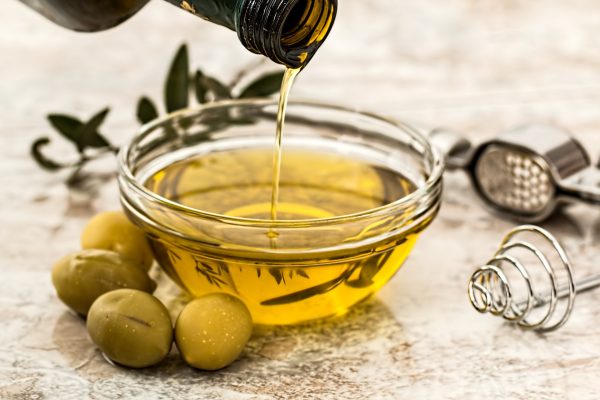
15. Good Reasons To Fry Fish With Extra Virgin Olive Oil

Extra Virgin Olive Oil For Frying?

Researchers at the UPV/EHU University of the Basque Country have studied the changes that take position in fish fats and in the oil during drying.

The frying techniques, the nature of the cooking oil used and the type of fish had been shown to exert an impact on the changes that occur during the frying process. UPV/EHU researchers have proven that the option of cooking oil is massively fundamental because it has an impact on the lipid profile within the fish and on the possible release of toxins within the oil in the course of frying, which will impact meals safety and human wellness.

The journal Food Research International has released an article ’The influence of frying technique, cooking oil and fish species on the changes occurring in fish lipids and oil during shallow-frying, studied by H-1 NMR. This deals with the work applied by Bárbara Nieva-Echevarría, Encarnación Goicoechea, María José Manzanos and María Dolores Guillén.

To perform this research, fillets of European seabass (Dicentrarchus labrax) and gilthead seabream (Sparus aurata) have been shallow-fried in a frying plan and in a microwave oven making use of extra virgin olive oil and refined sunflower oil. The alterations that took place within the lipid composition of the fish and of the frying oil were studied using Proton Nuclear Magnetic Resonance Imaging (H-1 NMR).

Change in Fat Components Between Fish and Frying Oil

During the shallow-frying of the fish in the house, not only do the fish lipids migrate to the frying oil, the components of the oil are also transferred to the fillet of fish. As a result, the composition of the oil used for frying is modified: first of all, it is enriched by using the acyl groups (‘fatty acids’) which are higher within the fish fats than in the common oil, and secondly, and simultaneously, it’s depleted in the acyl groups gift in a better attention within the customary oil than in the fish fats.

So after having been used for frying, the extra virgin olive oil is now richer in omega-3, omega-1 acyl groups, linoleic and saturated fats from the fish and poorer in oleic, which is the predominant acyl group in olive oil. Likewise, after having been used for frying, the sunflower oil is now richer in all of the acyl groups coming from the fish except linoleic, which comprises the majority acyl group in sunflower oil. Additionally, after frying, each varieties of oil were enriched by small amounts of cholesterol from the fish.

With regards to the fat in the fish fillets, its composition also changed throughout the frying approach, and grew to be enriched by the acyl groups which are present in a bigger concentration in the frying oil than in the fillet and in plant sterols. At the same time, during the frying procedure the fats within the fish fillets had been depleted with the acyl groups and minority components which are present in a higher concentration within the uncooked fillet than in the original oils, such as, omega-3 docosahexaenoic (DHA) and eicosapentaenoic (EPA) polyunsaturated groups.

Heat Oxidation Reactions

Apart from the migration of lipids during frying, due to the fact that these oils are subjected to higher temperatures (170 C) in the presence of oxygen, lesser amount of thermal oxidation may take place in them. In the extra virgin olive oil used for frying fish, this thermal oxidation response did not occur as it is more degradation-resistant than the sunflower oil. Yet in the sunflower oil being used for frying fish in the frying pan, secondary oxidation compounds such as aldehydes were formed, a few of them are regarded as potentially toxic relying on their concentration. It must be brought up that these compounds didn’t form within the sunflower oil used to fry the fish in the microwave oven. Hence, in view of the results received and bearing in mind the new release of those compounds which can be potentially harmful for health, the healthiest option for frying is to use extra virgin olive oil and fry in the microwave.

If you want to know more on how to take care of your health the best way possible, feel free to read our other articles on this site.

Reference: Science Daily

Written By: Dr. Marie Gabrielle Laguna Bedia

14. How To Burn More Fat Through Exercise

An Alkaloid That Burns Fat

After we exercise, our body's oxidation of fats and carbohydrates is determined by the depth and length of the activity. A new study analyses the outcome of drinking an alkaloid, p-synephrine, on the burning of fats and refutes the value of miracle diets: it isn’t feasible to lose greater than a kilogram of fat monthly.

New research published within the British Journal of Clinical Pharmacology analyses p-synephrine's position in burning fat for the duration of rest and exercise. This alkaloid can also be discovered in nature, though at low concentrations in a large type of citrus fruits like oranges, mandarins and grapefruits, and commercially at better concentrations in extracts of bitter orange (Citrus aurantium).

According to Juan Del Coso, a researcher from Camilo José Cela University and the lead researcher of the study, There is very little scientific information on this substance's effects on metabolism and the oxidation of energy substrates during exercise or on the side effects of the continued consumption of this substance.

Energy Booster

On account of its chemical similarity to ephedrine, a nerve stimulant), and the substance's activation of ?3 adrenergic receptors, it has turned out to be a widespread food supplement, traditionally incorporated in weight loss products. According to Del Coso, The advantage of p-synephrine is its reduced activation of ?1 y ?2 receptors and consequent weak influence in raising arterial tension and heart rate, which mean the substance has fewer side effects than other adrenaline stimulators.

The reason of the investigation is to determine the consequences of acute consumption of 3 mg p-synephrine per kg body mass on energy metabolism and the rate of fats and carbohydrate oxidation for the period of rest and activity.

In a randomised, placebo-controlled, double-blind, experimental study, 18 subjects underwent two experimental trials: after consuming p-synephrine (3mg/kg) and after taking a placebo or control test.

An hour after eating the substance, energy expenditure and arterial tension were taken before and after exercise, using a static bike. Immediate p-synephrine ingestion had no outcomes on energy expenditure, heart rate or arterial strain. Del Coso further explained, However, the substance produced a notable change in substrate utilisation during exercise: p-synephrine ingestion pre-exercise increased the rate of fat oxidation and reduced carbohydrate oxidation at low and moderate intensity.

Actually, p-synephrine multiplied participants' highest potential to burn fat, even though it didn’t alter the intensity at which this was achieved. This data means that p-synephrine dietary supplements could be priceless to develop fats oxidation by 7g per hour of physical activity.

No Miracle Diets

The maximum rate which was observed for fat oxidation throughout exercise, in this case in cyclists, was 0.7 g/min. That would propose that in a satisfactory scenario, a person would burn 42g of fat after an hour of exercise with that intensity.

The researcher continued on, This means the weight changes we experience when we start exercising are not based on fat loss, but mainly on fluid loss. This is why the majority of miracle' diets and slimming programmes produce a rebound' effect due to the recovery of the lost fluid

If you want to know more on how to take care of your health the best way possible, feel free to read our other articles on this site.


Reference: Science Daily

Written By: Dr. Marie Gabrielle Laguna Bedia

13. Smoking Side Effects Can Be Reduced By Tualang Honey

Smoking and Free Radicals

Smoking is an identified component in many serious health problems: stroke, myocardial infarction, cardiovascular ailments, coronary artery ailments, to call a few. Recent research in Toxicological & Environmental Chemistry by authors Syaheedah et al. sought to study what impact antioxidants in honey have on the oxidative stress in smokers.

Smoking introduces free radicals into the body leading to oxidative stress, decreased antioxidant status and negative health influences. Previous study has shown that supplementation of herbs and algae with antioxidant qualities strengthen oxidative status in smokers. Honey supplementation has been effective in lowering the toxic effects of cigarette smoking in rats, but prior to this study the results of honey supplementation in long term smokers was undocumented.

Tualang Honey Benefits

Honey, a natural substance from bees and derived from nectar, contains sugars, minerals, proteins, natural acids and antioxidants. Syaheedah et al. assessed the effects of Tualang honey on smokers after a 12-week supplementation on a group of 32 persistent smokers with two equal-sized control groups; one who weren’t supplemented and a group of non-smokers.

Blood samples had been taken pre- and post-intervention. In the smoking groups, antioxidant status was less than in non-smokers. There was increased incidence of end products, which indicate oxidant reaction in the people who smoke, possible induced by the free radicals in cigarettes. Oxidant activity can damage cell structure and performance, which may lead to health issues for the user.

On the end of the 12 weeks, the group who consumed honey and who smoke have been found to have broadly improved antioxidant function, strongly suggesting the ability of the honey to offset oxidative stress with its antioxidants which have powerful free radical ‘scavenging’ properties

Syaheedah said, Our findings may suggest that honey can be used as a supplement among those who are exposed to free radicals in cigarette smoke either as active or passive smokers in order to protect or reduce the risk of having cardiovascular diseases.

If you want to know more on how to take care of your health the best way possible, feel free to read our other articles on this site.


Reference: Science Daily

Written By: Dr. Marie Gabrielle Laguna Bedia

12. Antioxidants Are Not All Good, Study Shows

Antioxidants Can Cause the Faster Spread of Malignant Melanoma

The lay press and countless numbers of nutritional products warn of oxygen radicals or oxidative stress and advise taking so-called antioxidants to prevent or remedy sickness. Professor Pietro Ghezzi at the Brighton and Sussex Medical School and Professor Harald Schmidt at the University of Maastricht have analyzed the proof behind this. The result is a transparent warning: don’t take these supplements except a clear deficiency is identified by a general practitioner.

People rely on oxygen to supply energy, but oxygen also has the ability to generate so-called free radicals, which can lead to oxidative stress and disorders. Markers of oxidative stress were correlated with cardiovascular sickness, cancer, diabetes, and other conditions. Due to these associations, antioxidant dietary supplements are taken by thousands of people; nonetheless, none of the antioxidants are validated in randomized clinical trials and have proven any improvement. On the contrary, some of them may bring harm.

That is for the reason that oxygen radicals not only bring sickness but additionally perform many capabilities in the body, like immune defense and hormone synthesis. As a consequence anti-oxidants will intrude with both healthy and sickness-triggering oxygen molecules.

According to Prof. Ghezzi, Oxidative stress could be important in some conditions and only in a small proportion of patients. Prof. Schmidt added further, It can be targeted in a totally different manner, with drugs targeted only at those sources of oxygen molecules that are triggers of disease and leave the healthy ones alone Their results are published in the British Journal of Pharmacology.

Recent study at Sahlgrenska Academy has observed that antioxidants can double the rate of melanoma metastasis in mice. The results give a boost to earlier findings that antioxidants hasten the development of lung cancer. Acccording to Professor Martin Bergö, persons with cancer or a great risk of developing the condition will have to avoid taking dietary dietary supplements that contain antioxidants.

Researchers at Sahlgrenska Academy, University of Gothenburg, have proven in January 2014 that antioxidants hastened and aggravated the development of lung cancer. Mice that were given antioxidants developed additional and extra aggressive tumors. Experiments on human lung cancer cells had the same results. Given good proof that free radicals can bring about cancer, the study community had effortlessly assumed that antioxidants, which ruin them, provide protection against the disease. Found in many dietary supplements, antioxidants are widely marketed as a way of stopping cancer. On the grounds that the lung cancer studies called these facts into query, they attracted a exceptional deal of attention.

Double Rate in Cancers

The follow-up studies at Sahlgrenska Academy have reported that antioxidants lead to faster metastasis in malignant melanoma, the most dangerous kind of skin cancer. Science Translational Medicine released the findings on October 7. According to Professor Bergo, But the antioxidant boosted the ability of the tumor cells to metastasize, an even more serious problem because metastasis is the cause of death in the case of melanoma. The primary tumor is not dangerous per se and is usually removed

If you want to know more on how to take care of your health the best way possible, feel free to read our other articles on this site.


Reference: Science Daily

Written By: Dr. Marie Gabrielle Laguna Bedia

10. Alcohol Cravings May Be Precipitated By Brain Glutamate Levels

Alcohol Cravings

Cravings are created by cognitive, emotional, and behavioral elements concerning a wish to drink alcohol, and may also be affected by the duration of intoxication, withdrawal, or prior relapse. Unique forms of craving are hypothesized to be associated with various neurotransmitter systems. For instance, reward craving may be mediated by using dopamine and opioids, obsessive craving by serotonin, and relief craving by glutamate. A new study used magnetic resonance spectroscopy (1H-MRS) to examine the correlation between craving and glutamate levels within the left dorsolateral prefrontal cortex (LDLPFC) of sufferers with alcohol use disorders (AUDs).

Alcohol and Glutamate Levels

Around fourteen individuals (8 women, 6 men) underwent 1H-MRS to measure glutamate levels within the LDLPFC. Researchers additionally used the Pennsylvania Alcohol Craving Scale (PACS) and a study-validated interview process to quantify yearning for alcohol and drinking patterns, respectively.

Although the research sample size is small, these data advise that glutamate levels in the LDLPFC are associated with alcohol-craving intensity in patients with AUDs. Glutamate spectroscopy is also able to support the identification of biological measures of alcohol-craving intensity and aid with medication interventions.

If you want to know more on how to take care of your health the best way possible, feel free to read our other articles on this site.

Reference: Science Daily

Written By: Dr. Marie Gabrielle Laguna Bedia

9. Heart Problems May Be Avoided By Treating Psoriasis in Patients

Psoriasis and Complications

Roughly 7.5 million men and women in the US have psoriasis, and the effect of this disease goes way past its visible results on the skin. According to board-certified dermatologist Jashin J. Wu, MD, FAAD, director of dermatology research at the Kaiser Permanente Los Angeles Medical Center, People with psoriasis, particularly those with more severe disease, have an increased risk for a variety of other health problems, including obesity, diabetes, high blood pressure, high cholesterol, stroke and heart attack. Psoriasis patients, even those with mild disease, need to be aware of how this condition affects their overall health.

Psoriasis is a persistent inflammatory disease characterised by reddish and raised patches of skin, or plaques, filled with silvery-white scales. In line with Dr. Wu's observations, the inflammatory effects of this skin disease can affect the whole body, which can lead to cardiovascular problems.

Treating psoriasis may lead to resolution of cardiovascular symptoms by reducing skin infection, which in turn results to less inflammation within the body, Dr. Wu says. Treatment choices for moderate to severe psoriasis include phototherapy, medicines such as acitretin, cyclosporine and methotrexate, and biologicals, which stop inflammation.

Psoriasis and The Heart

Research done recently has indicated that biological medications may bring about cardiovascular symptom relief in some psoriasis sufferers, Dr. Wu says, but the rationale for this stays doubtful. He says that more research is required to determine whether or not an instantaneous connection exists between biological treatment and the relief of cardiovascular symptoms, and to assess how biologicals are different from other psoriasis treatments in decreasing cardiovascular illnesses. Meanwhile, he advises all psoriasis patients to seek cure, keep a healthy weight and speak to their doctor about screening for cardiovascular diseases.

According to him, Psoriasis is a serious medical condition that can have a detrimental effect on your overall health. If you have this disease, talk to a board-certified dermatologist to determine the best treatment option for you. Managing your psoriasis is not just about improving your skin — it’s about caring for your entire well-being.

If you want to know more on how to take care of your health the best way possible, feel free to read our other articles on this site.


Reference: Science Daily

Written By: Dr. Marie Gabrielle Laguna Bedia

1765

8. Surgery for Weight Loss Can Create Risk for Fractures

Weight Loss Surgery and Fractures

Severely obese patients undergoing weight reduction surgery usually tend to have accelerated fracture risks both earlier than and after the surgical procedure in comparison with obese and non-obese individuals who don’t need surgery, finds a study published in BMJ recently.

Weight problems is probably not as protective for fracture as what was initially thought, say the authors, and so they suggest that fracture risk evaluation and management must be part of weight reduction care.

Guidelines will have to be followed on patient adherence to dietary supplements and bodily activity, and patients should be brought to bone specialists if fracture chance is considerably high. Advantages and risks of surgery must be viewed individually to suggest the form of surgical process that is suitable to the patient because the efficacy of weight reduction surgeries differs in terms of resolution of long term conditions, they add.

This study was done by researchers in Canada and examined the incidence and sites of fracture in severely obese patients who had gone through weight reduction surgical procedure, and compared the results to obese and non-obese control subjects matched for age and sex.

Obesity and Fracture Risk

Data was gathered and analysed from Quebec Integrated Chronic Diseases Surveillance System (QICDSS) which studied 12,676 patients and 38,028 obese and 126,760 non-obese people in the control groups between the years 2001 to 2014.

Prior to the surgical procedure, 10.5% sufferers in the weight reduction surgical procedure group had a minimum of one fracture when compared with 8.1% obese and 6.6% non-obese people in the control groups.

After a median follow-up of 4.4 years, 4.1% of the weight loss surgery patients had at least one fracture in comparison with 2.7% of obese and a pair of.4% of non-chubby groups. The median time to first fracture was once 3.9 years.

These expanded fracture risks remained high even after adjusting for fracture history, quantity of comorbidities, material and social deprivation, and area of residence.

The fracture risk after the procedure transformed from a sample related to obesity within the distal lower limb fracture, to a pattern which is suggestive of osteoporosis in the upper limb, spine, pelvis, hip and femur.

The authors think that the extended fracture dangers are due to falls and obesity associated conditions, such as Type 2 diabetes, along with anatomical alterations, and dietary deficiencies induced by weight reduction surgery.

This is an observational study so conclusions will be made about rationale and outcome, and the authors noticed a few limitations, such as being unable to match members on body mass index, and lack of consideration to other motives that may have precipitated fractures, such as vitamin intake and drug use.

They conclude that by calling for more studies on preventative and therapeutic tactics the bad effects of weight reduction surgical procedures on the bone will decrease, due to the paucity of evidence and guidelines on this area.

If you want to know more on how to take care of your health the best way possible, feel free to read our other articles on this site.


Reference: Science Daily

Written By: Dr. Marie Gabrielle Laguna Bedia

mahjong ways viral karena momen menang pemain cara cerdas menang mahjong wins fortune ox bagi bagi scatter
slot online judi bola online judi bola https://widgets-tm.wolterskluwer.com Slot luar negeri no 1 Indonesia adalah slot thailand dengan banyak pilihan provider slot online uang asli, sekali daftar dijamin langsung bisa mainkan semua jenis taruhan online 24 jam. slot thailand jbo680 jbo680 situs slot terpercaya slot pragmatic play online surya168 slot jepang slot online slot gacor catur777 https://slotgacormax.win/ https://wwwl24.mitsubishielectric.co.jp/
slot gacor hari ini
ssh premium
slot
slot thailand
slot gacor
strategi bermain mahjong ways dan pola kemenangan gates of olympus masih jadi favorit banjir scatter hitam bahjong ways
Slot