Home Authors Posts by Dr. Marie Gabrielle Laguna

Dr. Marie Gabrielle Laguna

756 POSTS 0 COMMENTS
Medical doctor-internist

7. Breastfeeding Leads to Healthy Brain Function

Breastfeeding and The Brain

New research, which followed 180 pre-term babies from birth to age 7, determined that infants who have been fed more breast milk in the first 28 days of life had higher volumes of distinctive regions of the brain which are developed similar to term and had higher IQs, academic success, working memory, and healthy motor function.

The findings have been released online in the Journal of Pediatrics.

According to Mandy Brown Belfort, MD, a researcher and physician in the Department of Newborn Medicine at Brigham and Women’s Hospital and lead author of the study, “Our data support current recommendations for using mother’s milk to feed preterm babies during their neonatal intensive care unit (NICU) hospitalization. This is not only important for moms, but also for hospitals, employers, and friends and family members, so that they can provide the support that’s needed during this time when mothers are under stress and working so hard to produce milk for their babies¯.

Breast Milk and Babies

Researchers studied infants born before 30 weeks of gestation who were enrolled within the Victorian Infant Brain Studies cohort from 2001-2003. They determined the quantity of days that babies received breast milk as more than 50 percentage of their nutritional consumption from birth to 28 days of life. Additionally, researchers examined data involving regional brain volumes measured by magnetic resonance imaging (MRI) at each baby’s term period equivalent age and at seven years old, and also checked out cognitive (IQ, reading, arithmetic, awareness, working memory, language, visual perception) and motor testing at age seven.

The findings show that, across all babies, toddlers who received predominantly breast milk on more days during their NICU hospitalization had better deep nuclear grey matter volume, a subject important for processing and transmitting neural indicators to different parts of the brain, at identical age, and by age seven, performed better in IQ, arithmetic, working memory, and motor assessments. In summary, ingesting more human milk correlated with better outcomes, together with greater regional brain volumes at a time period similar and elevated cognitive outcomes at age 7.

According to Belfort, Many mothers of preterm babies have difficulty providing breast milk for their babies, and we need to work hard to ensure that these mothers have the best possible support systems in place to maximize their ability to meet their own feeding goals. It’s also important to note that there are so many factors that influence a baby’s development, with breast milk being just one¯

Researchers noted that there are some limitations of the study, including that it was observational. Despite the fact that they adjusted for explanations akin to variations in maternal education, one of the crucial effects could be explained with different factors that were not measured, such as higher maternal involvement in different aspects of baby care.

Belfort also noted that future reviews utilizing other MRI methods might furnish more information about the special approaches by which human milk intake may influence the constitution and function of the brain. Future work can also be done to untangle the function of breastfeeding from other forms of maternal care and nurturing on development of the preterm infant's brain.

If you want to know more on how to take care of your health the best way possible, feel free to read our other articles on this site.


Reference: Science Daily

Written By: Dr. Marie Gabrielle Laguna Bedia

6. Blood Pressure Hormone Can Trigger Obesity

Blood Pressure Hormone

New studies made by University of Iowa researchers help give an explanation for how a hormone system mostly detailed to deal with cardiovascular disease may lessen metabolism and promote obesity. The renin-angiotensin system (RAS) controls blood pressure and is predominant for cardiovascular well being. Most of the medicinal drugs used to treat hypertension (high blood pressure) and heart failure block or inhibit the RAS.

Increasing proof suggests that the RAS also performs a role in controlling energy stability and metabolic rate and for that reason could also be important in weight problems. But, depending on the place in the body this hormone approach is working, it may as well have opposing effects on weight gain.

When the RAS is increased in the brain, it raises energy expenditure through increasing resting metabolism, leading to weight reduction. Nonetheless, improved activity of the RAS circulating within the body or the peripheral RAS, which happens during weight problems in humans and experimental animals,  has the opposite effect, lowering resting metabolism and increasing weight gain.

Angiotensin

According to the senior author of the study and the UI assistant professor of pharmacology Justin Grobe, PhD, At a very simplistic level, you can think of the brain RAS as the gas pedal on metabolism and the peripheral (circulating) RAS as the brake, with angiotensin as the driver.¯

These new findings, released in the Aug. 9 issue of the journal Cell Reports, suggest that in mice, circulating angiotensin reduces resting metabolic rate via activating its less common receptor (angiotensin II type 2 receptor or AT2) principally on subcutaneous fat cells.

A more particular understanding of how the RAS acts in tissue-specific and receptor-precise methods to have an impact on energy balance may ultimately be priceless in developing new ways to deal with weight problems and the health problems associated with it.

Grobe and his colleagues, together with study author Nicole Littlejohn, PhD, studied genetically modified mice which have a hyper-activated brain RAS. These mice have improved resting metabolic rate and weight loss as compared to control mice despite having equivalent meals and physical activity.

The researchers learned that the expanded resting metabolic rate in mice is because of improved heat production (thermogenesis) within the pads of subcutaneous fat on the animals’ hips. This type of fat is ordinarily regarded “healthy.” In contrast, the abdominal fat surrounding the internal organs, which is believed to be “unhealthy,” didn’t exhibit elevated thermogenesis.

When the researchers activated AT2 receptors on the subcutaneous fat cells, the mice gained weight without altering feeding behavior, suggesting that activating AT2 receptors decreases resting metabolic rate. Activating AT2 mimics what would happen when the peripheral RAS is accelerated.

Specially, the team found that activating AT2 receptors reduces the quantity of UCP1 protein made in the subcutaneous fats cells. This protein is important for non-shivering heat production. Diminished quantities of UCP1 interfere with the ability of the fat cells to make heat.

According to Grobe If the fat cell is the thermogenic tissue (generating heat by burning calories), you can either have a bigger engine or you can push the gas pedal harder to create a larger effect. Our study shows that angiotensin is modulating the size of the engine (amount of UCP1), not how hard the gas pedal is being pushed.¯

He further added, In multiple ways, activation of the AT2 receptor [by increasing the peripheral RAS] is interfering with the capacity of the cell to make heat. It is very consistent with the clinical observation that peripheral angiotensin goes up during obesity. This is probably at least one of the mechanisms by which that excess angiotensin is perpetuating obesity. Because it is telling the body to slow down its metabolism as the body gets bigger.¯

If you want to know more on how to take care of your health the best way possible, feel free to read our other articles on this site.


Reference: Science Daily

Written By: Dr. Marie Gabrielle Laguna Bedia
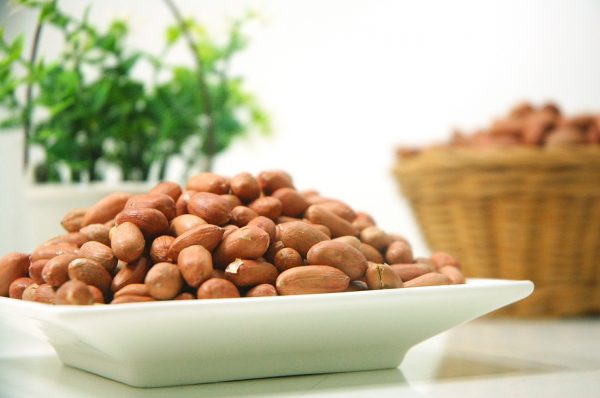
5. Eat More Nuts to Beat Inflammation

Benefits Of Eating Nuts

Are you fond of eating nuts? You now have the reason to do so, especially if you have arthritis and inflammatory diseases. A new study shows that nuts can help relieve inflammation.

According to the corresponding author of this new study, Ying Bao, MD, ScD, an epidemiologist in BWH’s Channing Division of Network Medicine, Population studies have consistently supported a protective role of nuts against cardiometabolic disorders such as cardiovascular disease and type 2 diabetes, and we know that inflammation is a key process in the development of these diseases. Our new work suggests that nuts may exert their beneficial effects in part by reducing systemic inflammation.”

Nuts and Inflammation

Beforehand, Bao and her colleagues determined an association between nut consumption and reduced threat of long term illnesses and even demise, but few potential cohort reports had examined the link between nut consumption and inflammation. In the present study, the study group carried out a cross-sectional analysis of information from the Nurses’ Health Study, which includes more than 120,000 female registered nurses, and from the health Professionals Follow-Up Study, which involves greater than 50,000 male health professionals.

The team assessed eating regimen utilising questionnaires and dwelt on the levels of detailed telltale proteins called biomarkers in blood samples gathered from the subjects. They measured three well-founded biomarkers of inflammation: C-reactive protein (CRP), interleukin 6 (IL6) and tumor necrosis factor receptor 2 (TNFR2).

After adjusting for age, medical history, lifestyle as well as other variables, they noted that participants who had consumed five or extra servings of nuts per week had lower CRP and IL6 levels than individuals who never ate nuts. Furthermore, participants who substituted three servings per week of nuts for red meat, processed meat, eggs or refined grains had greatly diminished levels of CRP and IL6.

Peanuts and tree nuts incorporate a number of healthful components together with magnesium, fiber, L-arginine, antioxidants and unsaturated fatty acids comparable to ?-linolenic acid. Researchers have not yet decided which of all those add-ons, or if the combination of all of them, may offer safety towards inflammation, however Bao and her colleagues are concerned with exploring this information via clinical trials that would regulate and screen diet.

According to Bao, Much remains unknown about how our diet influences inflammation and, in turn, our risk of disease. But our study supports an overall healthful role for nuts in the diet and suggests reducing inflammation as a potential mechanism that may help explain the benefits of nuts on cardiometabolic diseases.¯

If you want to know more on how to take care of your health the best way possible, feel free to read our other articles on this site.


Reference: Science Daily

Written By: Dr. Marie Gabrielle Laguna Bedia

Plant Compounds For Colon Cancer

The blend of two plant compounds that have medicinal properties: curcumin and silymarin, holds promise in treating colon melanoma, according to a Saint Louis University study published within the June 23 issue of the Journal of Cancer.

Curcumin is the active ingredient within the spice turmeric, which is present in spicy curry dishes, and silymarin is a factor of milk thistle, which has been used to deal with liver ailments.

Curcumin and Silymarin

The researchers and their students studied a line of colon cancer cells in a laboratory model. They found out that treating the cells at first with curcumin, then with silymarin was effective in combating cancer than treating the cells with just phytochemicals, according to Uthayashanker Ezekiel, Ph.D., the study's corresponding author and associate professor of biomedical laboratory science at Saint Louis University. According to Ezekiel, The combination of phytochemicals inhibited colon cancer cells from multiplying and spreading. In addition, when the colon cancer cells were pre-exposed to curcumin and then treated with silymarin, the cells underwent a high amount of cell death.¯

“The combo of phytochemicals inhibited colon cancer cells from multiplying and spreading. Moreover, when the colon melanoma cells had been pre-uncovered to curcumin and then treated with silymarin, the cells underwent a excessive amount of cell loss of life,” Ezekiel mentioned. He further added, Phytochemicals may offer alternate therapeutic approaches to cancer treatments and avoid toxicity problems and side effects that chemotherapy can cause.¯

Ezekiel noted that the study is a preliminary cell study, with more research ahead before scientists understand if the compounds are an amazing treatment for men and women who have had colon cancer. He noted the promise in making use of these phytochemicals to avoid colon cancer, which probably is caused by using lifestyle reasons, including diet.

Scientists would further have to gain knowledge on how curcumin and silymarin can affect the actions of molecules, akin to genetic transcription and expression that may cause cells to change. Then these compounds would be studied in an animal model, then later on in humans. According to Ezekiel, Concentrations of curcumin and silymarin that are too high could be harmful to people. We still have much to learn, and for now, it’s so much safer to add a little spice to your diet and get your curcumin from foods that contain turmeric, such as curry, rather than taking high doses of the compound.”

If you want to know more on how to take care of your health the best way possible, feel free to read our other articles on this site.


Reference: Science Daily

Written By: Dr. Marie Gabrielle Laguna Bedia

3. Male Hormone Is Able To Reverse Aging

Androgen and Aging

Do you want to defy aging? Yes, you can easily if you're a man. Telomerase, an enzyme naturally found in the human organism, is the closest of all identified substances to a “cellular elixir of adolescence.” In a recent study, Brazilian and US researchers exhibit that sex hormones can stimulate production of this enzyme.

The approach was demonstrated in patients with genetic ailments associated with mutations within the gene that codes for telomerase, such as aplastic anemia and pulmonary fibrosis. The authors say that the results recommend that the technique can fight damage triggered to the organism by telomerase deficiency.

This research was performed by Brazilian researchers in collaboration with colleagues on the National Institute of Health (NIH) in the United States. One of the scientists was Rodrigo Calado, a professor at the University of SĆ£o Paulo’s RibeirĆ£o Preto Medical School (FMRP-USP) and a member of the Center for Cell-Based Therapy (CTC), probably one of the Research, Innovation and Dissemination Centers (RIDCs) supported by FAPESP.

According to him, One of the processes associated with aging is progressive shortening of telomeres, DNA-protecting structures at the ends of chromosomes, like the plastic tips on shoelaces. Each time a cell divides, its telomeres get shorter. Eventually, the cell can’t replicate anymore and dies or becomes senescent. However, telomerase can keep the length of telomeres intact, even after cell division.¯

He further added that telomere length is a laboratory measure of a cell’s “age.” Some cells avoid getting older by making use of telomerase to extend their telomeres through the addition of DNA sequences, thereby keeping their potential to multiply and “stay young.”

Staying Young

In an embryo, tissue is still in the formative stage and telomerase is expressed by using each cell. After this period, cells that are regularly dividing, such as hematopoietic (blood-forming) stem cells, which will differentiate into specialised cells, proceed to provide telomerase.

According to Calado, Aplastic anemia is one of the diseases that can be caused by telomerase deficiency. Bone marrow stem cells age prematurely and fail to produce enough red blood cells, white blood cells and platelets, making the patient dependent on blood transfusions and more susceptible to infections.¯

In 2009, Calado and collaborators published a piece of writing within the journal Blood displaying that androgens, which can be transformed into estrogens in humans, bind to feminine hormone receptors in the telomerase gene promoter region and thereby stimulate the expression of the enzyme in cells.

Calado further added, The study we’ve just published was designed to find out whether the effect we’d observed in the lab also occurred in humans, and the results indicate that it does.¯

Instead of estrogen, the researchers treated subjects with androgen, he defined, since it has been used as a drug for a long time in cases of congenital anemia and presents the advantage of stimulating an increase in the mass of hemoglobin (red blood cells), which estrogen was not able to do.

Remedy with the steroid danazol, a synthetic male hormone, was proven for 2 years in 27 sufferers with aplastic anemia as a result of telomerase gene mutations. According to Calado, In a healthy adult, telomere length varies from 7,000 to 9,000 base pairs on average. A normal person’s telomeres lose 50 to 60 base pairs per year, but a patient with telomerase deficiency can lose between 100 and 300 base pairs per year. On patients who received danazol, telomere length was increased by 386 base pairs on average for over two years.”

Furthermore, hemoglobin mass increased from 9 grams per decilitre (g/dL) to 11 g/dL on the average. A man or woman without anemia customarily has between 12 and 16 g/dL, but the growth observed in these topics was adequate to rid them of transfusion dependency.

Calado stated, “On completion of the protocol, the medication was interrupted, and we observed a fall in all counts. Several patients resumed the medication with smaller doses, individually adjusted to minimize side effects.¯

If you want to know more on how to take care of your health the best way possible, feel free to read our other articles on this site.

Reference: Science Daily

Written By: Dr. Marie Gabrielle Laguna Bedia

 2. Metformin Can Prevent Preterm Births, Study Shows

Metformin and Preterm Birth

Metformin, a medicine routinely used by thousands of individuals with Type 2 diabetes, may also play a surprising position in blockading a huge cause of preterm delivery, according to research findings which were released in July 25.

This early-stage study, centered on results from mice bred to be susceptible to premature birth, was led by a group of scientists at Cincinnati Children’s Center together with their colleagues in France and Japan. Their findings were posted online in JCI: The Journal of Clinical Investigation.

The study is essential for two motives. First, it highlights a little-understood molecular pathway that may lead to premature birth via disrupting the functions of the deciduas, a thick membrane that envelopes the uterus and helps in the continued growth of fetuses. Secondly, the researchers exhibited in mice that there are two effective methods for restoring the lining’s functions, further achieving healthy, full-term births.

According to the senior author of the study and the director of the Division of Reproductive Sciences at Cincinnati Children’s Sudhansu K. Dey, This proof-of-concept study illuminates a potential mechanism behind preterm birth. It also demonstrates possible remedies that are already approved for human use.”

The Mystery Behind Preterm Birth

The study examined mice bred to lack the p53 gene within the uterus. This is a condition known to make pregnancies more likely to lead to untimely birth. The new study provides new detail as to why this occurs.

Without the gene, decidual cells exhibit expanded activity of a protein referred to as mammalian target of rapamycin complex 1 (mTORC1). In addition they show diminished activity of a signaling protein referred to as AMP-activated protein kinase (AMPK).

Combined, these two changes can result in premature cellular aging within the decidua, which in turn, can trick the mother’s body into going into labor. The sooner this occurs, the greater the threat of a miscarriage or untimely birth.

Digging deeper, the research staff learned that an additional protein, referred to as sestrin 2, plays a primary position in coordinating the connection between AMPK and mTORC1 signaling. Levels of sestrin 2 also decline in mice without the p53 gene.

The researchers observed that treating the mice with metformin reversed the early aging cycle, causing sestrin 2 stages and AMPK function to expand and mTORC1 signaling to diminish. The mice treated with metformin went on to have full-term births.

The crew also found equivalent outcomes when treating mice with resveratrol, an anti-oxidant and anti-aging dietary complement from grape seed extract.

These findings lead to a line of research that Dey has pursued for a couple of years. In prior studies, Dey and colleagues learned that rapamycin, an immune suppressing agent, showed promise in mice at preventing preterm birth. Nevertheless, that treatment could also be risky to be used in pregnant females.

Metformin appears to be a potentially safer substitute that works along the same molecular pathway, Dey says.

Preterm delivery can be induced via many motives. It stays unclear what number of preterm births are induced via early decidual aging, but Dey says it would be a big quantity.

Advancing these mice-founded findings into a healing method for would-be moms at danger for preterm beginning would require more work. The method of making ready and conducting human clinical trials to further experiment the drugs would take a few years.

Presently, different investigators are studying metformin and resveratrol for potential to behave as anti-aging drugs. Nonetheless, Dey says his staff has not located any human medical trials investigating the medications for use in stopping preterm birth.

If you want to know more on how to take care of your health the best way possible, feel free to read our other articles on this site.


Reference: Science Daily

Written By: Dr. Marie Gabrielle Laguna Bedia

1. Some E-Cigarettes May Emit More Toxins Than Others Study

Are E-Cigarettes Harmful?

While prior reports have discovered that e-cigarettes emit toxic compounds, a new study from Lawrence Berkeley National Laboratory (Berkeley Lab) has identified the source of those emissions and has shown how temperature, form, and age of the gadget play a role in emission stages.  These information is valuable to manufacturers and regulators who are seeking to minimize the wellness effects of these devices.

This study, which was released in Environmental Science and Technology, discovered that the thermal decomposition of propylene glycol and glycerin, the two solvents discovered in most “e-liquids ” (the substance which is vaporized by the e-cigarette), leads to the emission of toxic chemical substances such as acrolein and formaldehyde.

According to one of the authors, Berkeley Lab researcher Hugo Destaillats, Advocates of e-cigarettes say emissions are much lower than from conventional cigarettes, so you’re better off using e-cigarettes. I would say, that may be true for certain users–for example, long time smokers that cannot quit–but the problem is, it doesn’t mean that they’re healthy. Regular cigarettes are super unhealthy. E-cigarettes are just unhealthy.¯

In this study, “Emissions from electronic cigarettes: Key parameters affecting the release of harmful chemicals,” the researchers simulated vaping utilising three varieties of e-liquids in two specific vaporizers operated at various battery energy settings. The two e-cigarettes have been really distinct, one particularly low priced with one heating coil, the other more highly priced with two heating coils in parallel. The researchers used gas and liquid chromatography to investigate what was in the vapor, looking on the first puffs along with the later puffs after the device heated up and reached a regular state.

Not All E-Cigarettes Are Equal

One finding was once that the first and last puffs produced various emissions. Utilizing a customized-built vaping equipment emulating realistic vaping habits, researchers drew on the e-cigarette via taking puffs lasting 5 seconds each for 30 seconds. They then found out that vapor temperature rose rapidly within the first 5 to 10 minutes until achieving a regular state temperature at across the twentieth puff.

Correspondingly, emission levels between the primary few puffs and the regular state expanded through a factor of 10 or more in some instances, depending on the device, the battery voltage, and the emitted compound. For example, for acrolein, a severe eye and respiratory irritant, a single-coil e-cigarette operated at 3.8 volts emitted 0.46 six micrograms per puff in the first 5 puffs, however at the regular state it emitted 8.7 micrograms per puff.

According to another Berkeley researcher Lara Gundel, When you apply the same voltage to the double-coil e-cigarette you see a lot less emissions. We think it has to do with lower temperatures at each of the coil surfaces.”

For assessment, traditional cigarettes emit 400 to 650 micrograms of acrolein per cigarette, accounting for both mainstream and sidestream emissions. Assuming 20 puffs on an e-cigarette is identical to smoking a traditional cigarette, Gundel said, the total emissions of acrolein for an e-cigarette are around 90 to 100 micrograms.

Separately, to test results as a result of device aging, researchers used a single gadget over 9 consecutive 50-puff cycles without cleansing. Once more, emissions of formaldehyde, acetaldehyde, and acrolein, which are all either cancer agents or respiratory irritants, increased with usage.

The researchers concluded in their paper, This effect is consistent with the buildup of polymerization byproducts on or near the coil leading to accumulation of the sort of residues that are often referred to in the blogosphere as ‘coil gunk’ or ‘caramelization.’ Heating these residues would provide a secondary source of volatile aldehydes.”

If you want to know more on how to take care of your health the best way possible, feel free to read our other articles on this site.

Reference: Science Daily

Written By: Dr. Marie Gabrielle Laguna Bedia

20. Food Cravings Can Be Reduced by Inulin

Food Cravings and Inulin

Consuming a form of powdered food complement based on a molecule produced by microorganisms in the gut, reduces cravings for top-calorie meals such as chocolate, cake and pizza, new research suggests.

Scientists from Imperial College London and the University of Glasgow requested 20 volunteers to devour a milkshake that either contained an ingredient referred to as inulin-propionate ester, or a kind of fibre known as inulin.

Previous experiences have shown that bacteria within the intestine can release a compound called propionate once they digest the fibre inulin, which can signal to the mind to reduce urge for food. However the inulin-propionate ester complement releases much more propionate within the intestines than inulin alone.

Inulin and Weight Loss

After ingesting the milkshakes, the subjects underwent an MRI scan, where they were shown images of various low or high calorie meals such as salad, fish and veggies or chocolate, cake and pizza.

The researchers determined that when volunteers drank the milkshake containing inulin-propionate ester, they had much less endeavor in areas of the brain linked to reward but only when they are watching the high calorie foods. These areas, referred to as the caudate and the nucleus accumbens, are found in the centre of the brain and have been linked to food cravings and the motivation to eat.

The volunteers also had to rate how appealing they found the meals. The outcome confirmed that once they drank the milkshake with the inulin-propionate ester supplement they rated the high calorie meals as much less appealing.

In the second part of this study, which is released in the July issue of the American Journal of Clinical Nutriton, the volunteers got a bowl of pasta with tomato sauce, and were asked to eat as a lot as they like. When members drank the inulin-propionate ester, they ate 10 percent less pasta than after they drank the milkshake that contained inulin alone.

In previous research done by the same researchers done in 2013, they discovered that overweight volunteers who introduced the inulin-propionate ester complement to their meals day-to-day, lost weight over six months compared to volunteers who added only inulin to their foods.

Professor Gary Frost who is the lead author said, Our previous findings showed that people who ate this ingredient gained less weight — but we did not know why. This study is filling in a missing bit of the jigsaw — and shows that this supplement can decrease activity in brain areas associated with food reward at the same time as reducing the amount of food they eat. The amount of inulin-propionate ester used in this study was 10g — which previous studies show increases propionate production by 2.5 times. To get the same increase from fibre alone, we would need to eat around 60g a day. At the moment, the UK average is 15g.¯

If you want to know about the latest news in medicine and to know more about maintaining good health and preventing diseases, feel free to read our other articles on this site.

18. New Pain Relievers Discovered

New Channels for Pain Relievers

A new type of small-molecule medicinal drugs has been discovered that also inhibit two sought-after goals in the remedy of pain, the ion channels TRPV4 and TRPA1. Their proof-of-concept experiments in mice would lead to the development of a brand new drug to deal with certain conditions including skin infection, headaches, jaw suffering and stomach pain.

A group of researchers at Duke University has discovered a new class of small-molecule medications that at the same time can block two targets within the therapy of pain.

These experiments, the results of which are published in the June 1 issue of Scientific Reports, would lead to the development of a new drug to deal with conditions including skin inflammation and itching, complications, jaw pain, and abdominal pain arising from the pancreas and colon.

Powerful Blockers of TRPV4

More than a hundred million people suffer from long term pain in the U.S., according to the Institute of medicine, and new drug treatments are badly wanted. According to Wolfgang Liedtke, M.D., Ph.D., a professor of neurology, anesthesiology and neurobiology at Duke University School of Medicine, We are very pleased with what is a first chapter in a highly promising story. We hope to be able to develop these compounds for clinical use in humans or animals.¯ Dr. Liedtke treats sufferers with head and face discomfort and other sensory problems.

In the novel study, the researchers originally aimed to improve powerful blockers of TRPV4, a molecule that in their earlier research had shown transmits skin inflammation by sunburn, and painful sensations from the head and face. Liedtke and his collaborator Farshid Guilak used a prototype TRPV4 blocker in a previous study done in 2009 and then got down to advance more effective models.

Compared to the prototype, one of the new candidate medicines, referred to as “16-8,” worked for 10 instances more in cells with active TRPV4 that lead to the development of osteoarthritis. It additionally worked well in other cell types involved in nerve cell damage, stroke and epilepsy.

But to their shock, when assessing the specificity of 16-8, the scientists learned that it also blocked TRPA1, which is a promising goal in pain and itch research. According to Liedtke, As a physician, I soon realized the enormous potential that these compounds might have, given how beneficial dual-target molecules can be in clinical medicine¯.

Both TRPV4 and TRPA1 are members of the group of TRP ion channels, which perform in sensory nerve cells to immediately feel painful stimuli. Different research organizations are actually targeting these channels in scientific trials for pain alleviation.

On this study, the drug 16-8 additionally alleviated pain in living animals, including abdominal pain in mice with pancreatic inflammation. Pancreatitis is particularly a painful and problematic condition to treat, and new cases are rising globally.

Liedtke sees 16-8 as a potential drug to deal with osteoarthritis and other varieties of joint afflictions as well as head, face and jaw pain. Most of the time, it could also deal with aches radiating from inner organs or because of nerve cell injuries.

If you want to know about the latest news in medicine and to know more about maintaining good health and preventing diseases, feel free to read our other articles on this site.

17. Lower Cognitive and Socioemotional Scores in Low and Middle Income Countries

Cognitive and Socioemotional Scores are Dependent on Income

An estimated 32.9 percentage of all 3 and 4 year old kids living in low and middle income countries scored poorly on both their cognitive or socioemotional development, according to recent research. This study was done by Dana McCoy and colleagues from Harvard University, Boston, United States, in a recent issue of PLOS Medicine journal.

Children and Their Cognitive and Social Development

The researchers used data which was accumulated between 2005 and 2015 based on caregiver reports using the Early Childhood Development Index (ECDI) for 99,222 children aged 3 to 4 years old residing in 35 LMICs as part of the Multiple Indicator Cluster Survey (MICS) and Demographic and Health Surveys (DHS) applications.

They estimated that 14.6% of children in these 35 nations had low ECDI scores within the cognitive domain, 26.2% had low socioemotional ratings, and 36.8% performed poorly in both or each domains. Of the 35 LMICs studied, those with the highest percentage of low-scoring kids included Chad (67.0%), Sierra Leone (54.3%), and Central African Republic (54.1%), while those with the lowest percentage  are Bosnia (4.4%) and Montenegro (4.3%). When extrapolating units to all LMICs, the authors estimate that 80.8 million kids aged 3-4 years old or 32.9% of those living in these international locations are failing to meet common cognitive or socioemotional milestones.

An additional of 16.7% of children is estimated to do good with regards to their cognitive and socioemotional development, but experience stunted bodily growth.

The measure used to define cognitive and socioemotional development in this recent study considered a slender variety of early skills, including kid’s potential to comply with simple instructions, work independently, manipulate aggression, hinder distraction, and get along with other youngsters. Future research is needed to examine a broader range of developmental skills and subsets, as well as to establish possible interventions for resolving these developmental setbacks.

Developmental deficits are long-established within the poorest international locations of the world. As the authors write: “Low development scores were largely concentrated in areas of the world facing continued high exposure to risk factors such as infectious disease, malnutrition, poverty, and low availability of high-quality healthcare and educational resources.”

If you want to know about the latest news in medicine and to know more about maintaining good health and preventing diseases, feel free to read our other articles on this site.

mahjong ways viral karena momen menang pemain cara cerdas menang mahjong wins fortune ox bagi bagi scatter
slot online judi bola online judi bola https://widgets-tm.wolterskluwer.com Slot luar negeri no 1 Indonesia adalah slot thailand dengan banyak pilihan provider slot online uang asli, sekali daftar dijamin langsung bisa mainkan semua jenis taruhan online 24 jam. slot thailand jbo680 jbo680 situs slot terpercaya slot pragmatic play online surya168 slot jepang slot online slot gacor catur777 https://slotgacormax.win/ https://wwwl24.mitsubishielectric.co.jp/
slot gacor hari ini
ssh premium
slot
slot thailand
slot gacor
strategi bermain mahjong ways dan pola kemenangan gates of olympus masih jadi favorit banjir scatter hitam bahjong ways
Slot