Home Authors Posts by Dr. Marie Gabrielle Laguna

Dr. Marie Gabrielle Laguna

756 POSTS 0 COMMENTS
Medical doctor-internist

Consuming whole grains daily, such as brown rice or whole-wheat bread, decreases colorectal cancer risk. The more you eat whole grains the lower the risk. This discovery finds a new report by the American Institute for Cancer Research and the World Cancer Research Fund. This is the first time AICR/WCRF research associates whole grains independently to reduce cancer risk.

How does whole grain reduces colorectal cancer risk?

Diet, Nutrition, Physical Activity and Colorectal Cancer also found that processed meats consumed frequently increase the risk of this cancer. There was solid evidence that physical activity shields against colon cancer.

“Colorectal cancer is one of the most common cancers, yet this report demonstrates there is a lot people can do to dramatically lower their risk.” This said by Edward L. Giovannucci, MD, ScD, lead author of the report and professor of nutrition and epidemiology. “The findings from this comprehensive report are robust and clear: Diet and lifestyle have a major role in colorectal cancer.”

The new report assessed the scientific research worldwide on how diet, weight and physical activity disturb colorectal cancer risk. The report analyzed 99 studies, of who over a quarter of a million were diagnosed with colorectal cancer.

Lowering Cancer Risk with Fiber, Activity and Grains

The report resolved that consuming about three servings of whole grains daily decreases risk of colorectal cancer by 17 percent. It adds to previous evidence showing that foods comprising fiber reduces the risk of this cancer. People who are more physically active have a lower risk of colon cancer. Here, the reduced risk was deceptive for colon and not rectal cancer.

In the US, colorectal cancer is the third most common cancer among both men and women. With an estimated 371 cases diagnosed each day.

AICR evaluates that 47 percent of US colorectal cancer cases could be prevented each year through healthy lifestyle changes. Noted by Giovannucci: “Many of the ways to aid prevent colorectal cancer are essential for overall health. Aspects like retaining a lean body weight, proper exercise, limiting red and processed meat. And eating more whole grains and fiber would lower risk substantially.”

Fish, Fruits and Vegetables, Emerging Evidence

The report found other relations between diet and colorectal cancer risk that were evident but not as clear. There was inadequate evidence that cancer risk increases with low consumption of both non-starchy vegetables and fruit. A higher risk was perceived for ingestions of less than 100 grams per day (about a cup) of each.

The research continues to emerge for these factors, but it all points to the power of a plant-based diet. This said by Alice Bender, MS, RDN, AICR Director of Nutrition Programs. “Change some of your refined grains with whole grains and consume mostly plant foods. Consume plant foods, such as fruits, vegetables and beans they give you a diet packed with cancer-protective compounds. And help you manage your weight, which is so important to lower risk.”

“When it comes to cancer there are no guarantees. But, it’s clear now there are selections you can make. And steps you can take to lower your risk of colorectal and other cancers,” said Bender.

Do you want to know more about preventing colorectal cancer risk? Chat with us now!


The amount of calories you need to consume each day depends on numerous factors. These include your age, size, height, sex, lifestyle, and overall general health.

As an example, a physically active 6ft 2in male, aged 22 years. He requires significantly more calories than a 5ft 2ins sedentary woman in her 70s.

It has been revealed that factors such as how you eat your food can affect how many calories get into your system. The longer you chew your food, the more calories the body holds, a team from Purdue University studied.

Fast facts on daily calorie intake

  • The suggested calorie intake varies on factors such as age, size, height, sex, lifestyle and overall general health.
  • The longer you chew your food, the more calories your body holds.
  • Suggested daily calorie intakes in the US are 2,700 for men and 2,200 for women.
  • Consuming a big breakfast could help with weight reduction and preservation.
  • When food is eaten may matter as much as what and how many calories are consumed.
  • Average calorie ingestion in industrialized nations and an increasing number of developing economies is higher than it used to be.
  • Around 20% of the energy used in the human body is for brain metabolism.

Suggested daily calorie intakes

Suggested daily calorie intakes differ across the world. According to the National Health Service (NHS), UK, the average male adult needs around 2,500 calories per day. This is to keep his weight constant. The average adult female needs 2,000. US authorities suggested 2,700 calories per day for men and 2,200 for women.

The NHS strains that people should focus more on eating a healthy and well balanced diet. Being physically active and approximately balancing how many calories are consumed with the numbers burnt off each day. If you consumed your five portions of fruit and vegetable per day, you will probably live longer. Swedish researchers reported in the American Journal of Clinical Nutrition (July 2013 issue).

According to the United Nations’ Food and Agriculture Organization (FAO), the average person’s minimum calorie constraint per day globally is roughly 1,800 kilocalories (7,500 kJ).

Over the last twenty years, sugar has been added to an increasing number of foods we ingest. Unluckily, food brands in the USA and Europe do not contain details on how much added sugar there is. Dr. Aseem Malhotra, a cardiologist, wrote in BMJ in June 2013 that. “(it has become) almost impossible for consumers to determine the amount of added sugars in foods and beverages.”

Timing could be as important as how many calories you eat

A large breakfast helps bring your weight down or keep it down. Researchers from Tel Aviv University explained in the medical journal Obesity. They explained that a large breakfast – one comprising roughly 700 calories. It is best for losing weight and decreasing your risk of diabetes, heart disease, and high cholesterol.

When we consume our food perhaps matters as much as what and how many calories we eat. This added by team leader Prof. Daniela Jakubowicz.

Do you want to know more about how many calories you should consume daily? Chat with us now!

A new study has proposed that the monounsaturated fatty acids in avocado and nuts could boost intelligence. Researchers from the University of Illinois at Urbana-Champaign discovered that higher levels of monounsaturated fatty acids in the blood associated with greater general intelligence in older adults.

How can avocados and nuts boost intelligence?

Study leader Aron K. Barbey, a professor of psychology, and colleagues recently reported their effects in the journal Neuroimage. MUFAs are fat molecules existing in a variety of foods. Those foods include olive oil, avocados, canola oil, and a series of nuts and seeds.

MUFAs are measured healthy fats, as they can decrease the risk of heart disease and stroke. They decrease it by helping to lower levels of “bad” low-density lipoprotein cholesterol in the blood.

MUFAs and the brain boost intelligence

For the new study, Prof. Barbey and colleagues set out to define whether or not the benefits of MUFAs might spread to the brain. “Our goal is to understand how nutrition might be used to support cognitive performance. And to study the ways in which nutrition may influence the functional organization of the human brain,” says Prof. Barbey.

“This is important,” he goes on to explain, “Because if we want to develop nutritional interventions that are effective at enhancing cognitive performance, we need to understand the ways that these nutrients influence brain function.”

The study included 99 healthy older adults. Blood samples were also taken from each participant and examined for a wide selection of nutrients. “Historically, the approach has been to focus on individual nutrients,” notes Barbey. “But we know that dietary intake doesn’t depend on any one specific nutrient; rather, it reflects broader dietary patterns.”

All subjects also experienced general intelligence testing and efficient MRI of the brain. This permitted the researchers to measure brain activity in definite networks.

Dorsal attention network and boost intelligence

The analysis shown that general intelligence was linked with a brain region called the dorsal attention network. It plays a major part in problem-solving and goal-directed attention. More precisely, the researchers found that a person’s general intelligence is inclined by the proficiency of small-world propensity. That is, how well the neural contacts within this network are organized.

Remarkably, the study results showed that adults who had higher MUFA levels in their blood validated greater small-world propensity in the dorsal attention network. And the team perceived a link between higher MUFA levels and greater general intelligence. Generally, the researchers believe that their findings advise that increasing consumption of MUFAs might be one way to boost cognition.

“Our results suggest that if we want to understand the relationship between MUFAs and general intelligence, we need to take the dorsal attention network into account. It's part of the underlying mechanism that contributes to their relationship,” says Prof. Barbey. “Our ability to relate those beneficial cognitive effects to specific properties of brain networks is exciting,” he adds.

“This gives us evidence of the mechanisms by which nutrition affects intelligence. And it motivate us a promising new direction for future research in nutritional cognitive neuroscience says Aron K. Barbey.

Do you to know more how to boost intelligence? Chat with us now!

Porphyrias, a group of eight known blood disorder, affect the body’s molecular machinery for making heme. Heme is a part of the oxygen-transporting protein, hemoglobin. When heme drags with iron, it gives blood its hallmark red color.

The different genetic distinctions that affect heme production give rise to different clinical presentations of porphyria. This includes one form that may be responsible for vampire folklore.

Is this blood disorder a clinical cause for nocturnal blood drinking?

Erythropoietic protoporphyria (EPP) is the most known kind of porphyria to occur in childhood. EPP causes people’s skin to become very sensitive to light. Extended exposure to sunshine can cause painful, damaging blisters.

“People with EPP are chronically anemic, which makes them feel very tired and look very pale with increased photosensitivity because they can’t come out in the daylight,” says Barry Paw MD, PhD, of the Dana-Farber/Boston Children’s Cancer and Blood Disorders Center. “Even on a cloudy day, there’s enough ultraviolet light to cause blistering and disfigurement of the exposed body parts, ears and nose.”

Staying indoors during the day and receiving blood transfusions comprising sufficient heme levels help lessen some of the disorder’s symptoms. In ancient times, drinking animal blood and developing only at night may have achieved a similar effect. This is why it adds to further fuel to the legend of vampires.

Now, Paw and his team of international investigators report in a paper the Proceedings of the National Academy of Sciences. They reported newly discovered genetic mutation that activates EPP. It brightens a novel biological mechanism potentially accountable for stories of vampires” and identifies a potential therapeutic target for treating EPP.

The nature of EPP’s “supernatural” blood disorder symptoms

To produce heme, the body goes through a process called porphyrin synthesis, which happens in the liver and bone marrow. Any genetic flaws that impact this process can disturb the body’s ability to produce heme. The lessened heme production leads to a buildup of protoporphyrin components. In the case of EPP, type of protoporphyrin called protoporphrin IX gathers in the red blood cells, plasma and sometimes the liver.

When protoporphin IX is visible to light, it produces chemicals that harm surrounding cells. As a result, people with EPP experience swelling, burning and redness of the skin after contact to sunlight. Even trace amounts of sunlight that pass through window glass.

Some genetic pathways leading to build-up of protoporphyrin IX have already been defined, but many cases of EPP remain unsolved. The researchers performed deep gene sequencing on members of a family from Northern France with EPP of a genetic signature. Paw’s team learned a novel mutation of the gene CLPX, which plays a part in mitochondrial protein folding.

“This newly-discovered mutation really highlights the complex genetic network that underpins heme metabolism,” says Paw, who was co-senior author on the study. “Loss-of-function mutations in any number of genes that are part of this network can result in devastating, disfiguring disorders.”

Myth vs. reality of the blood disorder

Paw suggests that recognizing the several gene mutations that contribute to porphyria could pave the way for future therapies. Those gene mutations could correct the damaged genes responsible for these related blood disorder.

“Although vampires aren’t real, there is a real need for advanced therapies to improve the lives of people with porphyrias,” says Paw.

Do you want to know more about poryphyrias blood disorder? Chat with us now!

Coffee is rich in antioxidant and anti-inflammatory properties. There a lot of studies that proves drinking coffee helps you fight sign of aging, weight loss, and beneficial health benefits. In this article, we are going to share you if the different roasting level affects the antioxidant and anti-inflammatory properties in coffee beans.

What is antioxidant?

Antioxidant is a substance (such as beta-carotene or vitamin C). It constrains oxidation or reactions promoted by oxygen, peroxides, or free radicals.

What food is rich in antioxidant?

Every single one of us has both antioxidants and free radicals existing inside of our bodies at all times. Some antioxidants are produce from the body itself. While, some we must get others from our diets by eating high antioxidant foods that double as anti-inflammatory foods. Our bodies also create free radicals as byproducts of cellular reactions. For example, the liver creates and uses free radicals to cleanse the body. Another is white blood cells send free radicals to destroy bacteria, viruses and damaged cells.

Antioxidant sources, like antioxidant foods, herbs, spices and teas, lessen the effects of free radicals. Free radical plays a major role in disease formation. Antioxidants keep healthy cells while faltering the growth of malignant or cancerous cells.

Top 10 antioxidant foods are:

  1. Goji berries
  2. Wild blueberries
  3. Dark chocolate
  4. Pecans
  5. Coffee beans
  6. Artichoke
  7. Kidney beans
  8. Cranberries
  9. Blackberries
  10. Cilantro

Does different roasting level affects the antioxidant and anti-inflammatory properties in coffee beans?

Researchers compared the caffeine and chlorogenic acid modules of coffee beans at different roasting levels. The researchers tested the protective antioxidant and anti-inflammatory properties of the different coffee extracts in human cell models. The result of the test links to an increasing degree of roasting to reduce antioxidant and anti-inflammatory activities. The result is published in Journal of Medicinal Food, a peer-reviewed journal from Mary Ann Liebert, Inc., publishers.

The article entitled “Cellular Antioxidant and Anti-inflammatory Effects of Coffee Extracts with Different Roasting Levels,” is coauthored by Soohan Jung, Korea University, Seoul, Min Hyung Kim, Jae Hee Park, and Kwang Suk Ko, Ewha Womans University, Seoul, and Yoonhwa Jeong, Dankook University, Cheonan, Korea. The researchers measured the levels of caffeine and chlorogenic acid and evaluated the effects of Coffee Arabica. Coffee Arabica green coffee extracts roasted at levels corresponding to Light, Medium, City, and French roast. Although the caffeine levels did not vary greatly between the various roasting levels, the levels of chlorogenic acid did vary and associated with the differences shown in antioxidant and anti-inflammatory activity.

“When people think of coffee, they often associate the beverage with caffeine. Yet, coffee beans have many other chemicals that could help fight chronic inflammatory diseases.” This statement is claimed by the Journal of Medicinal Food Editor-in-Chief Sampath Parthasarathy, MBA, PhD, Florida Hospital Chair in Cardiovascular Sciences and Interim Associate Dean, College of Medicine, University of Central Florida. “Coffee drinkers are avid about different roasts — light, medium and dark.

This research study advocates that some of the potentially useful compounds could be affected by the roasting process.

Do you want to know more about food high in antioxidant? Chat with us now!

As we turn older we undergo deterioration in mental and physical fitness. Deterioration in mental and physical fitness can be made worse by conditions like Alzheimer’s disease.

A new study, published in the open-access journal Frontiers in Human Neuroscience, indicates that older people who regularly partake in physical exercise can reverse the signs of aging in the brain. And dancing has the most profound effect.

How Can Dancing Rear Signs of Aging in the Brain?

“Exercise has the useful effect of slowing down or even counteracting age-related decline in mental and physical capacity,” says Dr Kathrin Rehfeld, lead author of the study. “In this study, we demonstrate that two different types of physical exercise (dancing and endurance training) both increase the area of the brain that deteriorates aging. In comparison, it was only dancing that lead to evident behavioral changes in terms of enhanced balance.”

Elderly volunteers, with an average age of 68, were engaged to the study. They are assigned either an eighteen-month weekly course of learning dance routines, or endurance and flexibility training. Both groups exhibited an increase in the hippocampus region of the brain. This is vital because this area can be susceptible to aging related decline and is affected by diseases like Alzheimer’s. It also plays a major part in memory and learning, as well as keeping one’s balance.

However previous research has displayed that physical exercise can fight aging in brain decline. To evaluate this, the exercise routines given to the volunteers contrasted. The traditional fitness training program led mostly repetitive exercises, such as cycling or Nordic walking. But the dance group was tested with something new each week.

Dr Rehfeld explains, “We tried to provide our seniors in the dance group with constantly changing dance routines of different genres (Jazz, Square, Latin-American and Line Dance). Steps, arm-patterns, formations, speed and rhythms were altered every second week to keep them in a constant learning process. The most challenging phase for them was to remember the routines without any hints from the instructor.”

These extra challenges are thought to account for the perceptible difference in balance showed by those members in dancing group. Dr Rehfeld and her colleagues are building on this research to test new fitness programs. They are testing on new fitness programs that will have the potential of maximizing aging effects on the brain.

“Right now, we are assessing a new system called “Jymmin” (jamming and gymnastic). This is a sensor-based system which produces sounds (melodies, rhythm) based on physical activity. We know that dementia patients react intensely when listening to music. We want to combine promising characteristics of physical activity and active music making in a feasibility study with dementia patients.”

Dr Rehfeld closes with advice that could get us up out of our seats and dancing to our favorite beat.

“I believe that everybody would like to live an independent and healthy life, for as long as possible. Physical activity is one of the lifestyle elements that can contribute to this. Physical activity counteracts several risk factors and slowing down aging related decline. I think dancing is a great tool to set new tests for body and mind, especially in older age.”

This research study falls into a wider collection of research examining the cognitive and neural effects of physical and cognitive activity across the lifespan.

Do you want to know more how to rear signs of aging in the brain? Chat with us now!

2142

The Female Brain is More Active: Study Shows

The current largest realistic brain imaging study has identified that there are distinctive brain variations between women and men, consistent with a new report in the Journal of Alzheimer’s Disease. The female brain is more active the study reveals.

In the largest realistic brain imaging study at present, the Amen Clinics (Newport Beach, CA) studied 46,034 brain SPECT (single photon emission computed tomography) imaging studies furnished by 9 clinics, quantifying variations between the brains of men and women. The results are released within the Journal of Alzheimer’s Disease.

According to lead author, psychiatrist Daniel G. Amen, MD, founder of Amen Clinics, Inc, This is a very important study to help understand gender-based brain differences. The quantifiable differences we identified between men and women are important for understanding gender-based risk for brain disorders such as Alzheimer’s disease. Using functional neuroimaging tools, such as SPECT, are essential to developing precision medicine brain treatments in the future.

The brains of women within the study were vastly more active in many areas of the brain than men, primarily in the prefrontal cortex, which is involved with focus and impulse control, and the limbic or emotional areas of the brain, involved with mood and anxiety. The visual and coordination centers of the mind were more active in men. SPECT can measure blood perfusion in the brain. Images received from subjects at rest or while performing various cognitive duties will exhibit specific blood flow in special brain areas.

The subjects were 119 healthful volunteers and 26,683 patients with a variety of psychiatric conditions such as brain trauma, bipolar disorders, temper disorders, schizophrenia/psychotic issues, and attention deficit hyperactivity disorder (ADHD). A toral of 128 brain regions were analyzed for subjects at baseline and while performing a task that needs focus.

Working out these differences is fundamental when you consider that brain issues have an effect on men and women differently. Women have higher rates of Alzheimer’s disorders, depression, which is itself is a risk factor for Alzheimer’s disease, and anxiety issues, while guys have greater rates of (ADHD), behavior-related issues, and incarceration.

Dr. George Perry, the Editor-in-Chief of the Journal of Alzheimer’s Disease and Dean of the College of Sciences at The University of Texas at San Antonio remarked, Precisely defining the physiological and structural basis of gender differences in brain function will illuminate Alzheimer’s disease and understanding our partners.

The findings of accelerated prefrontal cortex blood flow in females compared to males may explain why females are inclined to show off greater strengths within the areas of empathy, intuition, collaboration, self-control, and suitable concern. The study also determined extended blood flow in limbic areas of the brains of women, which might also in part provide an explanation why women are more at risk for anxiety, depression, insomnia, and eating problems.


1899

Diets High in Proteins Can Stop Gut Inflammation

Immune cells are present in the intestines to ensure that damaging microbes hidden in the meals that we consume do not sneak into the body. Cells that are in a position of triggering infection are balanced by cells that promote tolerance, protecting the body without bringing hazard to tissues. When the balance is disrupted, inflammatory bowel disease can ensue.

Now, researchers at Washington University School of Medicine in St. Louis have observed that a type of tolerance-creating immune cell is found in mice that carry a certain bacterium in their guts. Additionally, the bacterium wants tryptophan which is one of the building blocks of proteins, to bring about the cell's appearance.

According to Marco Colonna, MD, the Robert Rock Belliveau MD Professor of Pathology and the study’s senior author, We established a link between one bacterial species — Lactobacillus reuteri — that is a normal part of the gut microbiome, and the development of a population of cells that promote tolerance. The more tryptophan the mice had in their diet, the more of these immune cells they had.

If such findings can be applied to people, it would advocate that the blend of L.reuteri and a tryptophan-rich diet may foster a more tolerant, less inflammatory gut atmosphere, which could mean alleviation for millions of people living with abdominal pain and diarrhea that result from inflammatory bowel disease.

This study is published recently in the journal Science.

Postdoctoral researcher Luisa Cervantes-Barragan, PhD, was studying a variety of immune cells that promote tolerance when she had discovered that one group of study mice had such cells, at the same time when another group of study mice that is of identical strain but have been housed apart from the primary group didn’t have such cells.

The mice had been genetically equal but had been born and raised separately, indicating that an environmental factor influenced whether or not the immune cells developed.

She suspected the difference had to do with the mice’s gut microbiomes, which is the group of microorganisms that normally reside inside the gastrointestinal tract.

Cervantes-Barragan then collaborated with Chyi-track Hsieh, MD, PhD, the Alan A. and Edith L. Wolff exclusive Professor of medicine, to sequence DNA from the gut of the two groups of mice. They located that six bacterial species were present in the mice with the immune cells but were absent in the mice without them.

With the aid of Jeffrey I. Gordon, MD, the Dr. Robert J. Glaser exotic school Professor, the researchers studied mice that had lived on sterile environments since birth to determine which of the six species was involved in inducing the immune cells. Such mice lack a gut microbiome and do not create this sort of immune cell. When L. reuteri was given to the germ-free mice, the immune cells grew.

To appreciate how the bacteria affected the immune system, the researchers grew L. reuteri in liquid after which they transferred small amounts of the liquid without micro organisms to immature immune cells isolated from mice. The immune cells developed into the tolerance-promoting cells. When the active factor was purified from the liquid, it grew to become a byproduct of tryptophan metabolism referred to as indole-3-lactic acid.

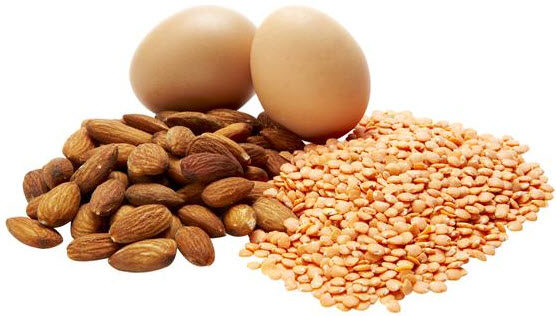
Tryptophan, which was most of the time found in turkey, is ordinarily a part of the mouse and the human diet. Protein-rich foods contain considerable amounts, such as nuts, eggs, seeds, beans, poultry, yogurt, cheese, or even chocolate.

When the researchers doubled the amount of tryptophan within the mice’s feed, the number of such cells rose by about 50 percent. When the tryptophan levels were reduced to 50%, the number of cells also was reduced by half.

According to Cervantes-Barragan said, The development of these cells is probably something we want to encourage since these cells control inflammation on the inner surface of the intestines. Potentially, high levels of tryptophan in the presence of L. reuteri may induce expansion of this population.


Easy Yet Proven Methods To Treat Varicose Veins

Many people are seen coming over to the doctors with complaints about varicose veins. These are veins which are tortuous and dilated veins that run beneath the skin of the legs and are apparent. Even though they’re benign, one may desire to get rid of them as a result of beauty motives. Many women are in a challenge to deal with them.

Why Do Varicose Veins Form?

Varicose veins in most cases run in families. As a consequence, if you have people in the family having them, you are more likely to get them.

There are valves that act as doorways and run in the veins to push the blood again to the heart up from the legs. When such a doorway is flappy, fluid tends to build up within the veins. That makes them come out bigger than normal.

Varicose veins can bring about signs and symptoms such as slight swelling of the legs, skin tightening or itching sensation within the legs and heavy leg sensation.

How To Get Rid of Them

One would have spent a long day on their feet after which they might find slight swelling. This can be remedied by elevating your legs. Place some pillows under your legs at the end of the day.

Place Ice

Using ice can constrict the blood vessels of the leg. If there’s swelling or soreness you can apply an ice pack over the swollen veins

Pain Medicines

You can take pain medicines that can help with inflammation, such as ibuprofen. These pain medicines can decreasing infection or swelling within the legs. However, ask your doctor first before trying out these medicines.

Compression Stockings

These stockings are often available in pharmacies and medical shops. They help tighten the skin of the legs which can compress the veins so that blood will be pumped back to the heart well. They furnish help to the veins and allow the blood to maneuver up more without difficulty in the direction of the heart.

Exercises

You can also do some exercises to decrease varicose vein formation and improve blood circulation in the body. You can do common cardiovascular exercises to restrict the blood flow from pooling within the varicose veins. If you do these cardio exercises daily, your blood circulation may improve.

Examples of cardio exercises include running, brisk walking, swimming, biking, working out on cardio equipment and aerobic classes or DVDs.

1662

Does Black Tea Have Any Health Benefits?

One of the most consumed tea around the world is black tea. This type of tea is acquired from the leaves of the shrub known as Camellia sinesis and it is more oxidized than the green, white and the oolong tea types. It has a richer flavor than other varieties of tea.

Black tea is produced through methods that are distinct from other tea types. They’re first plucked and then withered in an effort to remove the moisture from them. After they’ve given out maximum moisture content, the leaves are rolled manually or with machines. This is accomplished by exposing them to a higher temperature. After the leaves are entirely oxidized, they are sorted as per dimensions.

So what are the benefits of consuming black tea? Here they are:

Prevents Heart Disease

Many studies have proven that drinking black tea helps prevent the onset of cardiovascular problems. There are antioxidants in black tea like flavonoids which help hinder LDL or bad cholesterol from being oxidized.

Black tea can reduce damage in blood vessels and the risk for heart disease is also diminished. Taking black tea can help reverse heart diseases which come because of endothelial vasomotor dysfunction. The flavonoids are also powerful in decreasing blood clots and blood vessel vasodilation. Manganese and polyphenols also help to diminish the risk of heart disease by maintaining heart muscle health.

Prevents Cancer

Antioxidants like polyphenols found in black tea prevents the formation of cancer agents in the body and this can prevent colorectal, prostate, ovarian, lung and bladder cancers. Black tea can help prevent breast, prostate and stomach cancer. The compound referred to as TF-2 in tea promotes damage of cancer cells and makes it possible for normal cells to stay unaffected.

Black tea can also decrease the risk of oral cancer in those who smoke cigarettes or use different tobacco products. Black tea prevents the growth and formation of malignant tumors.

Eliminates Free Radicals

Free radicals can create harm to the body and can bring about diseases such as cancer, atherosclerosis and blood clot formation. When one consumes unhealthy food, the number of free radicals within the body increases. There are antioxidants present in black tea which aid to eliminate free radicals and guard the body from the onset of illnesses.

Boosts Immune Function

It’s imperative to improve the immune function in order to combat viruses and bacteria that may create illnesses. Chemicals known as tannin contained in black tea have the capacity to combat viruses like influenza, colds, dysentery, hepatitis and others. One type of tannin referred to as catechin is known to help in suppressing tumors.

Alkylamine antigens that are in black tea help strengthen immune responses. One should drink 3 to 4 cups of black tea per day to treat inflammations as well as eliminate damaging pathogens.


mahjong ways viral karena momen menang pemain cara cerdas menang mahjong wins fortune ox bagi bagi scatter
slot online judi bola online judi bola https://widgets-tm.wolterskluwer.com Slot luar negeri no 1 Indonesia adalah slot thailand dengan banyak pilihan provider slot online uang asli, sekali daftar dijamin langsung bisa mainkan semua jenis taruhan online 24 jam. slot thailand jbo680 jbo680 situs slot terpercaya slot pragmatic play online surya168 slot jepang slot online slot gacor catur777 https://slotgacormax.win/ https://wwwl24.mitsubishielectric.co.jp/
slot gacor hari ini
ssh premium
slot
slot thailand
slot gacor
strategi bermain mahjong ways dan pola kemenangan gates of olympus masih jadi favorit banjir scatter hitam bahjong ways
Slot