Home Authors Posts by Dr. Marie Gabrielle Laguna

Dr. Marie Gabrielle Laguna

756 POSTS 0 COMMENTS
Medical doctor-internist

Protein Nrf2 May Facilitate Neurodegenerative Diseases TreatmentA recent study offers new information regarding an important cellular protein (Nrf2) which could facilitate the treatment of neurodegenerative diseases like Alzheimer’s, Parkinson’s, amyotrophic lateral sclerosis (ALS) and Huntington’s disease.

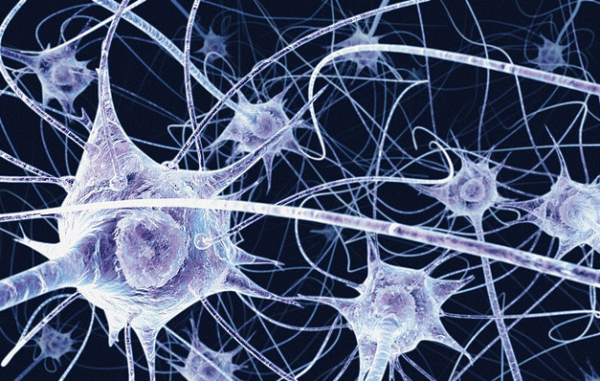
As to their origin, these diseases are caused by proteins which misbehave in the brain. The proteins misfold and build up in neurons, causing damage and finally destroying the cells. In the study, researchers at the Gladstone Institutes used another protein, Nrf2, to reinstate the disease-causing proteins levels within the healthy range, thus avoiding cell death.

The researchers used two models of Parkinson’s disease to test Nrf2. One model had cells with mutations in the LRRK2 protein and the other model had cells with mutant alpha-synuclein protein. By triggering Nrf2, the researchers enabled various “house-cleaning” processes in the cell to eliminate excess LRRK2 and alpha-synuclein.

How Nrf2 works?

“Nrf2 organizes a whole series of gene expression, however we didn’t know how significant it was for managing protein levels till now,” described first author Gaia Skibinski, PhD, who serves as a staff research scientist at Gladstone. “Nrf2 overexpression in cellular models of Parkinson’s disease showed a massive effect. Actually, it saves cells from the disease in a better way than all others we’ve found.”

The scientists made use of both neurons of rat neurons and human neurons developed from stimulated pluripotent stem cells. Then neurons were programmed for Nrf2 expression along with mutant LRRK2 oralpha-synuclein. With the help of a unique robotic microscope crafted by the Finkbeiner laboratory, the researchers labeled and observed individual neurons eventually to examine their overall health and protein levels. They took multiple images of the cells for more than a week, determining the progress and death of each one.

The scientists found that Nrf2 functioned in various ways to facilitate elimination of mutant alpha-synuclein or LRRK2 from the cells. For mutant LRRK2, Nrf2 made the protein assemble into incidental clumps that can stay in the cell without destroying it. For alpha-synuclein, Nrf2 intensified the clearance and breakdown of the protein, decreasing its levels in the cell.

“I am highly interested about this approach for neurodegenerative diseases treatment,” mentioned Finkbeiner, a senior investigator at Gladstone and senior author on the study. “We’ve examined Nrf2 in models of Parkinson’s disease, Huntington’s disease and ALS, and it is the major protective thing we’ve ever known. As per the level and the extent of the effect, we in fact want to study Nrf2 and its function in protein regulation as well.”

The scientists note that Nrf2 itself can be hard to target with a drug since it is associated with so many cellular processes, so they are currently concentrating on a few of its downstream effects. They anticipate to find other players in the regulating protein pathway that communicate with Nrf2 to enhance cell health and that can be simpler to treat.

Fenofibrate May Reduce Heart Disease Risk in Type 2 DiabetesAccording to a recent study, the drug fenofibrate could decrease the risk of cardiovascular diseases in patients with type 2 diabetes who have high triglycerides levels and low good cholesterol levels, despite being treated with statins. The study, supported by the National Heart, Lung, and Blood Institute (NHLBI), published in JAMA Cardiology journal.

Diabetes and cardiovascular diseases

Diabetes is a metabolic disorder which can affect many parts of the body and is associated with serious complications, such as heart disease, stroke, erectile dysfunction, blindness, kidney failure and lower-limb amputation. Diabetes management and prevention is the need of the hour, because 29.1 million people in the United States are reported to have diabetes in 2014. This means that 9.3 percent of the population has diabetes.

Type 2 diabetes is the most common type, and about 90 to 95 percent of diabetic people have type 2 diabetes.  Though this type is associated with older age, it can develop even during childhood. People with excess weight, physical inactivity, family history of diabetes, and previous history of gestational diabetes are at risk for type 2 diabetes. Unmanaged diabetes may lead to severe complications like stroke, amputations, etc. So there is a need for new drugs to manage diabetes effectively and prevent complications like cardiovascular diseases.

Efficiency of Fenofibrate

Fenofibrate is mainly used to help decrease elevated triglycerides levels in the blood. But the researchers needed to know if the drug, when associated with statin treatment, could also decrease the risk of heart disease in people with type 2 diabetes. People with type 2 diabetes are at high risk of cardiovascular-related issues, such as heart attacks, stroke, and even death, frequently since their levels of triglycerides are very high, and their high-density lipoprotein (HDL) cholesterol levels are low.

To find the efficiency of the combination of Fenofibrate with statins, the researchers analyzed 4,640 participants from the NHLBI-funded Action to Control Cardiovascular Risk in Diabetes (ACCORD) Lipid Study for five years after the wrapping up of the trial in 2009. The findings propose that fenofibrate therapy may be helpful in the way the researchers expected: by decreasing cardiovascular diseases in patients with type 2 diabetes who take statins but still have particularly high triglycerides levels and low HDL cholesterol levels. Yet, a randomized study is required to verify these findings, as per the authors.

For more interesting insights on medical research, visit our site and subscribe to our newsletter.

New Drug Combos Work Better Against Breast CancerResearchers identified ten potential new and experimental combinations for treating breast cancer, using in-silico analysis. A team of researchers at the Institute for Research in Biomedicine (IRB Barcelona) studied the pairing of 64 drugs used for treating breast cancer, where half of them already existed and the remaining half were investigational drugs.

Among the 10 combinations, 7 were tested in breast cancer cells in-vitro analysis and the results demonstrated synergy among the drugs; the effect was higher when used with combinations. One of these combinations was confirmed to be effective in mice. The findings in mouse models denote that the combination of two drugs namely raloxifene and cabozantinib, which were prescribed by oncologists, “significantly” enhance the anti-tumour potential of the two drugs.

Breast Cancer Treatment With Combined Drugs

According to Patrick Aloy, who serves as ICREA researcher and also as the head of the Structural Bioinformatics And Network Biology Lab at IRB Barcelona, “We find many more synergistic combinations in-silico than combinatorial assays till date with high-performance lab techniques, and we can offer experimental information. This denotes that earlier computational analyses provide better results and are more consistent.” The researchers noted that in 70% of the combinations tested, the synergic effect of the two drugs is “much higher” than the effect of each drug alone and hence, the similar effect could be obtained even by a smaller dose.

For this study, when scientists tested the combination of raloxifene and cabozantinib as treatment in mice, they noticed that the tumor got reduced in size by 60%, whereas individually the effect of each drug only prohibited tumour growth. Additionally, with the combination, the dosage of raloxifene can be three times smaller and the dose of cabozantinib can be 25 times smaller when compared to the treatments now. “This smaller dosage itself is highly significant since drugs are toxic in nature and are meant to kill cells. When a smaller dose has the same or greater therapeutic effect, it is an important benefit for the patients, since side effects could be reduced. In addition resistance would be delayed or avoided¯ explains Aloy.

One of the challenges of cancer treatment that oncologists and patients have to deal with is treatment resistance. Cancer cells turn out to be “resistant” to drugs that should destroy them. Resistance occurs since the cancer cell, by means of random mutations, begins to escape from the effect of the drug. Among 15% of cases, different molecular signaling pathways are triggered to permit tumour cells to divide again or to avoid programmed cell death. Combination therapy by two or more drugs appears as a promising strategy to handle this type of treatment resistance.

“Our studies have facilitated us to identify the signalling pathways that are triggered by the combined action of two drugs,” says Samira Jaeger, who is the first author of this study. The scientists confirmed at the molecular level that the molecules predicted in the in-silico models were really suppressed. “By combination of drugs, we intend to attack the cancerous cell from various sides at the same time, therefore it will be hard for the cell to resist against the treatment, since the pathways that permit it to live and multiply will be affected simultaneously,” she clarifies.

Having confirmed the computational network model, the scientists have three lines of study currently. First, with the objective of focusing on clinical applications, they will test combination therapy raloxifene and cabozantinib in cancerous cells obtained from patients and transferred in mice. Second, with the same objective of discovering more efficient treatments for breast cancer, the lab will work on combining an anti-tumour agent with a drug used to treat other conditions like high blood pressure and diabetes. Lastly, Aloy’s lab is enhancing an experimental method which will facilitate them to confirm the combination therapies that have the highest enduring effectiveness in fighting against resistance.

Iron Deficiency Anemia May Lead To Hearing LossIn a recent study, researchers examined the connection between sensorineural hearing loss (SNHL) and conductive hearing loss and iron deficiency anemia in adults aged 21 to 90 years in the United States. The study was conducted by the team of Kathleen M. Schieffer, B.S. of the Pennsylvania State University College of Medicine and Hershey, Pa., and colleagues.

In 2014, about 15% of adults reported having hearing problems. As iron deficiency anemia (IDA) is a common condition and can be corrected easily, further understanding of the relation between IDA and all types of hearing loss can be helpful to find new possibilities for early detection and proper treatment. Researchers used electronic medical records to determine IDA. They observed low ferritin and hemoglobin levels for sex and age in 305,339 adults who were aged between 21 to 90 years and evaluated the association between IDA and hearing loss.

The combined hearing loss can be defined as any combination of conductive hearing loss (hearing loss due to problems with the bones of the middle ear), sensorineural hearing loss, deafness, and unspecified hearing loss.  SNHL occurs when there is damage to the cochlea or to the nerve pathways from the inner ear to the brain.

Iron Deficiency Anemia and hearing loss

According to their evaluation, the prevalence of combined hearing loss was 1.6 percent and the prevalence of IDA was 0.7 percent. The prevalence of sensorineural hearing loss was 1.1 percent of individuals with IDA and combined hearing loss was prevalent in 3.4 percent. Both sensorineural hearing loss and combined hearing loss were notably linked with IDA. The study confirmed the increased chances of SNHL and combined hearing loss among adults with IDA.

The authors of the study explained that, “there is a connection exists between IDA in adults and hearing loss. Further studies would understand this correlation in a better way and to find out whether diagnosing and treating IDA on time may certainly influence the overall health condition of adults with hearing loss.”

For more interesting insights on medical research visit our site and subscribe to our newsletter.

A novel approach to combat therapy-resistant prostate cancerA recent study under the leadership of scientists from the Florida campus of The Scripps Research Institute (TSRI) explains clearly about a signaling circuit in cells that can lead to treatment resistance in prostate cancer. The researchers discovered that targeting the components of this circuit blocks the development of advanced prostate cancer. The study, headed by TSRI Associate Professor Jun-Li Luo, was released online ahead of print in the journal Molecular Cell.
A novel strategy to battle Prostate Cancer

Prostate cancer is one of the most common types of cancer in America; it affects one in six American men according to the American Cancer Society. It is the second-leading deadliest cancer after lung cancer in American men.

Right now, the most efficient treatment for advanced prostate cancer is to deprive the cancer of what feeds it — androgen hormones such as testosterone. Sadly, almost all patients finally become resistant to this treatment, leaving doctors with no choices to counteract the unavoidable.

The recent study demonstrates that a “constitutively active” signaling circuit can stimulate cells to grow into tumors and develop therapy resistance in advanced prostate cancer. A cell signaling pathway with constitutive activity needs no binding partner or ligand to activate; alternatively, the signaling circuit constantly triggers itself.

This signaling circuit, which contains of the protein complex I?B?/NF-?B (p65) and many other molecules, manages the expression of stem cell transcription factors known as the proteins that conduct the conversion of genetic information from DNA to RNA, which fuel the invasive growth of these resistant cancer cells.

“The fact obtained from the finding that, the constitutive activation of NF-kB in the circuit is not dependent on traditional trigger opens the door for potential therapeutic options,” remarked Luo.

Blocking NF-?B activity

NF-kB is known to have significant roles in cancer development, and it is considered as one of the most common key targets for cancer therapy. But the utilization of NF-?B inhibitors in the treatment of cancer is made difficult by severe side effects associated with immunosuppression from random inhibition of NF-?B in normal immune cells.

Luo mentioned that targeting the other non-I?B?/NF-?B components in this signaling circuit would prevent the suppression of NF-?B in normal immune cells whilst keeping the potent anti-cancer efficiency.

Other than I?B?/NF-?B, the signaling circuit contains the microRNA miR-196b-3p, Meis2 and PPP3CC. Although miR-196b-3p supports the development of tumor, Meis2, which is an important developmental gene in mammals, can disturb the circuit when overexpressed. The protein PPP3CC can block NF-?B activity in prostate cancer cells.

“Blocking this circuit by targeting any of its individual components inhibits the expression of these transcription factors and remarkably weaken therapy-resistant prostate cancer,” stated TSRI Research Associate Ji-Hak Jeong, who is the first author of the study.

Visit our website regularly to stay informed about medical breakthroughs. Subscribe to our newsletter to receive news in your inbox!

Chemical imbalance in the brain may lead to schizophrenia, study revealsA recent research says chemical imbalance in the brain may lead to schizophrenia.

With the help of a novel MRI, neuroscientists found higher oxidative stress levels in schizophrenia patients, when compared to healthy people and patients with bipolar disorder.

Dr.Fei Du, an Assistant Professor of Psychiatry at Harvard Medical School, the lead investigator of the study said, high energy requirements on cells of the brain results in increase of highly reactive oxygen species like hydrogen peroxide and free radicals.¯  The chemical reaction which leads to the formation of rust in metals is known as excessive oxidation, the similar reaction takes place in the case of schizophrenia. Excessive oxidation is commonly believed to be the reason behind damage in cells and inflammation. Although measuring this oxidation process in the living brain has been a challenge.

Neuroscientists at McLean Hospital estimated oxidative stress by means of a new MRI spectroscopic technique. MRI scanners are used non-invasively to calculate concentrations of two brain molecules namely, NAD+ and NADH. The output provides information on how well the brain is capable to buffer out excessive oxidants.

Schizophrenia  and NADH elevation

Du analyzed 21 schizophrenia patients, and found that 53% of increase in NADH when compared to healthy people of same age. A same degree of NADH increase was found in recently diagnosed schizophrenia, indicating that imbalance in oxidation is seen even in the starting stages of the disease. Limited NADH elevation was also noted in patients with bipolar disorder, which has some clinical and genetic relation with schizophrenia.

Among 21 patients with chronic schizophrenia, Du observed a 53% elevation in NADH compared to healthy individuals of similar age. A similar degree of NADH elevation was seen in newly diagnosed schizophrenia, suggesting that oxidation imbalance is present even in the early stages of illness. More modest NADH increases were also seen in bipolar disorder, which shares some genetic and clinical overlap with schizophrenia.

This report provides a new perception into schizophrenia and also a possible way to test the efficiency of new treatments. Du remarked that this work will offer new approaches in protecting the brain and improving the functions of the brain in schizophrenia¯

Burning More Fat and Less Glucose Leads To DiabetesBurning more amount of fat and less amount of glucose can increase the chances for diabetes, says a recent study done by researchers from Baylor College of Medicine and other institutions.

The muscles of mice use glucose as an energy source when they are active and awake; while they are asleep, they depend on fat. The team of researchers found that disturbing this natural cycle can result to diabetes but unexpectedly can also increase endurance for exercising. The switch is managed by a molecule called histone deacetylase 3, or HDAC3. This result opens the chance of selecting the right time to exercise for reducing body fat and also increases the concern of using HDAC inhibitors as doping drugs for exercise endurance.

Internal circadian clock regulates the usage of glucose by muscle and it waits for the level of its activity during the day and at night,¯ explained senior author Dr. Zheng Sun, assistant professor at Baylor. “The circadian clock functions by keeping certain genes on and off while the 24-hour cycle progresses. HDAC3 is a main connection between the circadian clock and gene expression. Our earlier work demonstrated that HDAC3 facilitates the liver alternation between making glucose and producing lipid. In this work, we analyzed how HDAC3 manages the use of various fuels in skeletal muscle.”

Skeletal muscles, which are voluntary muscles, are essential in the management of blood glucose in the body. They utilize most glucose, and if people have insulin resistance and are not able to metabolize glucose, then diabetes will develop. To find the role of HDAC3 in mouse skeletal muscle, Sun and colleagues genetically engineered laboratory mice to reduce HDAC3 in the skeletal muscles. Then they compared these knocked out mice with normal mice as to how their muscles burn fuel.

Surprising results

When normal mice eat, their blood glucose level increases and insulin is secreted, which induces muscles to use glucose as fuel. While the knocked out mice ate, their blood glucose level increased and insulin was released as expected, but their muscles refused to consume and utilize glucose,” mentioned Sun. “Lack of HDAC3 made mice insulin-resistant, which made them develop diabetes.”

However, while the HDAC3-knocked out mice did activities like running on a treadmill, they developed higher endurance, “which was fascinating since diabetes is commonly linked with poor muscle performance,” described Sun. “Glucose is the key fuel of muscle, so if a condition restricts the use of glucose, low performance in endurance exercises is anticipated. That’s the surprise.”

The researchers then analyzed what fueled the HDAC3-knocked out mice's superior performance using metabolomics methods and discovered that their muscles break down more amino acids. This altered the muscles’ choice from glucose to lipids and let them to burn lipid very effectively. This gives superior endurance, since the body carries a much bigger energy reservoir in the form of lipids than carbohydrates.

The result challenged the widely-used carbohydrate-loading (carbo-loading) approach for enhancing endurance performance. “Carbo-loading didn’t make evolutionary sense prior to the agriculture invented,” noted Sun. “Changing muscles from using carbohydrates to lipids might enhance exercise endurance, particularly for low-intensity exercise.” The study proposes that HDAC inhibitors, a class of small molecule drugs now being tested for treating several diseases, could likely be used to control such fuel switch in muscles and consequently raises concerns of doping.

Connection to the body’s internal clock

The team conducted a number of functional genomics studies that proved the connection between HDAC3 and the circadian clock. “In normal mice, while the mouse is awake, the biological clock in the muscle expects a feeding cycle and utilizes HDAC3 to turn off various metabolic genes. This makes the muscles utilize more amount of carbohydrates,” said Sun. “When the mice is about to go to sleep and expects a fasting cycle, the clock eliminates HDAC3. This makes the muscles use more lipids.”

Even though these studies were performed in mice, the researchers considered that human muscles most likely will have the same cycle. The study opens the opportunity of promoting body fat burning by enhancing exercise activity during the periods in which muscles use lipid, which occurs at night among people. “Burning body fat would be easier by exercising gently and fasting at night,” said Sun. “Thus the study reveals that it’s not bad to go for a walk after dinner.”

For more fascinating research news, visit our website frequently. Subscribe to our newsletter. We bring the latest news to your inbox.

2055

Vitamin D Improves Gut Flora and Metabolic SyndromeIt is a fact that a high fat diet can cause metabolic syndrome, which is a set of symptoms that are risk factors for heart disease and diabetes.  Scientists have now revealed that vitamin D deficiency is required for this syndrome to develop in mice, along with underlying disturbances in gut bacteria.

Once these findings are confirmed in humans, sun bathing and vitamin D supplements may be possible preventive strategies and inexpensive approaches can help prevent or even treat metabolic syndrome.

The study was conducted by Professor Stephen Pandol, at Cedars-Sinai Medical Center, USA, in collaboration with Yuan-Ping Han’s research group at Sichuan University, China. Professor Stephen Pandol explains that, “According to this study, we consider that maintaining vitamin D levels high, either through exposure to sunlight, diet or supplementation, is helpful to prevent and treat metabolic syndrome.”

Nearly a quarter of the world’s adult population is affected by metabolic syndrome, and it is known as a set of risk factors that leads to diabetes and heart disease. Typical symptoms include obesity, increased waistline and at least two of the following: high blood sugar levels, high blood pressure or high cholesterol. People with metabolic syndrome commonly have excess fat in their liver.

High fat or carbohydrate diet appears to be the major cause of metabolic syndrome. But observational studies have also connected metabolic syndrome to vitamin D deficiency. About 30 to 60% of the global population is affected by this deficiency.

The study made significant progress in understanding the connection between vitamin D and metabolic syndrome. Pandol mentioned, An adequate dietary vitamin D supplement can partly but considerably provoke metabolic syndrome caused by high fat diet in mice. These are amounts equal to the human dietary recommendations.¯

In particular, the study has shown that a high fat diet influences the balance between good and bad bacteria in the gut. This stimulates modest fatty liver and raises blood sugar levels to a little amount in mice. Notably, an inadequate supply of vitamin D worsens the imbalance in gut flora, which eventually leads to fatty liver and, in turn, results in metabolic syndrome.

Vitamin D deficiency and defensins

Vitamin D deficiency reduces the production of anti-microbila molecules called defensins which are required to keep healthy gut flora. An oral supply of synthetic defensin could recover gut bacteria imbalance, reduce blood sugar levels and improve fatty liver, as expected.

Summing up, a high fat diet alone is not sufficient enough to cause metabolic syndrome but it is required for the condition to occur in combination with vitamin D deficiency. Therefore, vitamin D supplementation relieves metabolic syndrome in mice. Further research would be needed to confirm findings in humans.

“Some studies have described that vitamin D supplementation may not treat metabolic disorders in humans. However, these studies are highly based on long-term surveys, which may be hindered by improper compliance and inadequate dosage,” says Hans.

He stays optimistic that the results of their study can be verified in humans. “We are setting up a clinical study to verify the connection of vitamin D deficiency with the disruption of gut bacteria, and its relationship with metabolic syndrome,” describes Han.

We hope that his study provides beneficial results so that treating metabolic syndrome will be easier and affordable. For more interesting insights on medical research, visit our site and subscribe to our newsletter.

How to Avoid Child Nightwakings EffectivelyRecently, studies have shown that 15 to 20 percent of one to three year-olds tend to have nightwakings. Stephanie Zandieh, M.D., Director, Pediatric Sleep Disorders and Apnea Center of The Valley Hospital, explained that, “Improper sleep associations are the major cause of recurring nightwakings. Sleep associations are known as the conditions that are usually present at the time of sleep onset and in the existence of which the infant or child has learned to fall asleep. These same conditions are then needed in order for the infant or child to fall back to sleep following periodic regular nighttime arousals.”

Sleep associations can be appropriate like thumb sucking or problematic such as rocking, nursing, or parental presence. “Problematic sleep associations are those that need parental involvement and thus cannot be reinstated independently by the child upon awakening during the night,” mentions Dr. Zandieh.

Here are some useful tips to make your child sleep soundly through the night:

  1. Develop a proper sleep schedule with an early bedtime. Ironically, the more tired your child is, the more times he or she will awaken during the night. Hence, be sure that your child goes on to take naps during the day and set an early bedtime schedule.
  2. Establish a security object or love object for your child. A transitional object, like a stuffed toy or doll or blanket, allows a child to feel safe and secure when you are not present. Make your child become attached to this security object by adding it as a part of the bedtime routine. Additionally, try to keep this object whenever you are cuddling or comforting your child.
  3. Bedtime routine: Build a consistent bedtime routine that has calm and enjoyable activities, including a bath and a bedtime story.
  4. Constant bedroom environment: Make sure that your child’s bedroom environment is the same and is consistent at bedtime as it is throughout the nighttime, especially in terms of lighting.
  5. Put your child to bed awake: Following the bedtime routine, put your child into his or her bed awake and leave the room. Keep in mind that the key to having your children sleep through the night is to make them learn to fall asleep on their own, so they can put themselves back to sleep when they naturally awaken during the night.
  6. Checking method: If you noticed your child crying or yelling, check on her. You can wait for as long or as short a time according to your wish. The checking time varies with the children, for some kids, frequent checking is required; for others, infrequent checking works best. Keep on returning to check on your child as long as she is crying or upset. The visits should be short (one minute) and non-stimulating. Calmly explain to your child that it’s time to go to sleep. The intention of returning to the room is to assure that your child that you are still present and to assure yourself that your child is okay.
  7. Respond to your child during the night; it is good to respond to your child as you usually do throughout the night, in the beginning. If your child keeps on awakening during the night for several weeks, then follow the same routine during the night.
  8. A more gradual approach: Some parents think that not being present when their child fall asleep feels more as the first step for them and their child. A better gradual approach is to train your child to fall asleep on their own, but with your presence in the room. This approach may take longer the other way, but it can feel easier for some families. The first step is to put your child into her bed awake and sit on a chair adjacent to it. Once she could fall asleep without any nightwakings this way, sit at a distance every 3 to 4 nights until you are in the hallway and not in sight.
  9. Be consistent and don’t give up. The first few nights are expected to be very challenging, and usually the second or third night is much worse than the first night. But, you will begin to see improvement within a few nights to a week.

For more interesting insights on medical research, visit our site and subscribe to our newsletter.

1887

Researchers from the North Carolina State University and the University of British Columbia have found out that a woman's lifetime history of drug use can actually help predict whether she will suffer from stress and anxiety after childbirth. This finding could help health care professionals screen pregnant women who are at high risk for mental health problems later on so that they are treated earlier.

The researchers claimed that a lot of attention has been created recently regarding the need to include mental health screening in prenatal checkups. This has focused largely on identifying women who may be at risk for postpartum depression, commented Sarah Desmarais, an associate professor of psychology at NC State and co-author of a journal article on the work.

Mental problems and history of drug use

The researchers noted that their study has two important findings that are relevant to mental health screening among pregnant women. First they were able to find that women are at risk for significant mental health problems after pregnancy other than depression, such as anxiety and stress. Anxiety and stress are also serious issues that also warrant more attention from health care providers. Second, this study emphasizes the importance of acquiring data on a woman's history of drug use so that health care providers can better identify women who are at high risk for postpartum stress and anxiety, so that more steps can be done to provide the needed care.

The study did not specifically want to focus on drug use but it was aimed at answering whether drug and alcohol use of women can predict how she will have mental health issues after childbirth. A lot of studies have already focused on substance use of women during pregnancy, and the researchers did not think that this is not a reliable way of capturing substance use in women because women will not likely admit that they are using drugs during pregnancy. They don't admit because they are afraid of losing parental custody, of dealing with social stigma and of being biased in their care and treatment. Also, pregnancy is not the time when women begin to use drugs and alcohol; substance and alcohol use is carried over before pregnancy.

The researchers used data from 100 women in British Columbia who had given birth in the previous three months. These women were from higher socioeconomic backgrounds and were not at high risk for postpartum mental health problems. They were recruited through a large health and wellness study which was not focused on substance abuse. Women in this study were asked about their history of drug and alcohol abuse. The researchers noted that by asking about lifetime drug use, it helped predict whether a woman would experience mental health problems after pregnancy.

According to the researchers, the best predictor of postpartum mental health problems is still a woman's history of lifetime mental health problems. However drug and alcohol use history also increased the likelihood of having mental health problems. Prior drug use is also associated with increased symptoms of anxiety and stress after childbirth. The researchers also found out that drug use was not associated with postpartum depression and that prior alcohol use was not associated with mental health problems after birth.

mahjong ways viral karena momen menang pemain cara cerdas menang mahjong wins fortune ox bagi bagi scatter
slot online judi bola online judi bola https://widgets-tm.wolterskluwer.com Slot luar negeri no 1 Indonesia adalah slot thailand dengan banyak pilihan provider slot online uang asli, sekali daftar dijamin langsung bisa mainkan semua jenis taruhan online 24 jam. slot thailand jbo680 jbo680 situs slot terpercaya slot pragmatic play online surya168 slot jepang slot online slot gacor catur777 https://slotgacormax.win/ https://wwwl24.mitsubishielectric.co.jp/
slot gacor hari ini
ssh premium
slot
slot thailand
slot gacor
strategi bermain mahjong ways dan pola kemenangan gates of olympus masih jadi favorit banjir scatter hitam bahjong ways
Slot