Home Authors Posts by Dr. Marie Gabrielle Laguna

Dr. Marie Gabrielle Laguna

756 POSTS 0 COMMENTS
Medical doctor-internist

5446

Bones

What is Melatonin?

Melatonin is a hormone which is produced in the body. When taken from food and supplements, it can be used for various illnesses. Melatonin is often taken to adjust the body's internal clock and to ease jet lag, to adjust sleep-wake cycles in people whose daily work schedule changes and to help blind people establish a day and night cycle. This substance can also be used to treat insomnia, delayed sleep phase syndrome (DSPS), insomnia associated with attention deficit-hyperactivity disorder (ADHD), insomnia due to certain high blood pressure medications called beta-blockers, and sleep problems in children with developmental disorders including autism, cerebral palsy, and intellectual disabilities. It can also be used to aid sleep after discontinuing the use of benzodiazepine drugs and to reduce the side effects of stopping smoking. Other medical conditions which can benefit from melatonin include Alzheimer's disease, ringing in the ears, depression, chronic fatigue syndrome (CFS), fibromyalgia, migraine and other headaches, irritable bowel syndrome (IBS), bone loss (osteoporosis), a movement disorder called tardive dyskinesia (TD), epilepsy, as an anti-aging agent, for menopause, and for birth control. Melatonin may also be beneficial in breast cancer, brain cancer, lung cancer, prostate cancer, head cancer, neck cancer, and gastrointestinal cancer. Melatonin is also used for some of the side effects of cancer treatment (chemotherapy) including weight loss, nerve pain, weakness, and a lowered number of clot-forming cells (thrombocytopenia).

Melatonin functions to regulate night and day cycles or sleep-wake cycles. Darkness may make the body produce more melatonin which then signals the body to prepare for sleep. On the other hand, light decreases melatonin production and signals the body to prepare for being awake. Some people who have trouble sleeping have low levels of melatonin.

Although safe, melatonin may have some side effects such as headache, short-term feelings of depression, daytime sleepiness, dizziness, stomach cramps, and irritability. Because melatonin may cause sedation, one should not drive nor use machinery for four to five hours after taking melatonin. If you plan to take melatonin, you should first ask your doctor if it is the right supplement for you. Melatonin may be unsafe in pregnancy as well as may interfere with ovulation. Melatonin should also not be used in children because there are no studies which can prove its safety on them. Melatonin might interfere with development during adolescence because of its effect on other hormones.

Melatonin should be used with caution in patients with high blood pressure, diabetes, depression, and seizure disorders. Melatonin may elevate blood pressure and may increase blood sugar levels. It may also make symptoms of depression worse and may increase the risk of having a seizure.

Restore My VisionClick Here!

Melatonin and Old Bones

A recent study has shown that melatonin supplements may make bones stronger in old rats. This study, done by McGill researchers, focuses on the relationship between bone breakdown and buildup and circadian rhythms. It is said that the cells which break down bones, also known as osteoclasts, are more active at night while those responsible for bone formation (osteoblasts) are more active during daylight hours. Since melatonin plays a role in regulating our body clocks and can potentially help us sleep better, the researchers have theorized that a melatonin supplement would help regulate the circadian rhythms of the elderly rats, thus reducing the activity of the osteoclasts and slowing down the process of bone breakdown. The researchers found out that there was a significant increase in both bone volume and density among the rats that had received melatonin supplements. It took much more force to break the bones of rats that had taken the melatonin supplements.

To know more about recent medical breakthroughs, you may check our other articles on this site.

Restore Your Vision Today Restore My Vision –  Click Here!
4912

huntington's disease

What is Huntington's Disease?

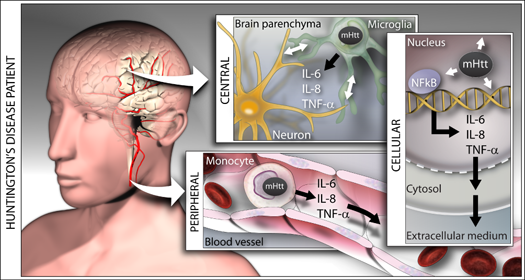
Huntington's disease is a medical condition wherein certain brain cells are damaged, causing further deterioration and gradual loss of function of the central nervous system. This can affect movement, cognition (perception, awareness, thinking, judgement) and behaviour. Some early symptoms of Huntington's disease may include personality changes, mood swings and unusual behaviour.

Huntington's disease is caused by a faulty gene that runs in families. Fifty percent of the gene can be passed on to children, so that this disease is called autosomal dominant. People who have Huntington's disease have a variety of signs and symptoms such as psychiatric problems and difficulties with behaviour, feeding, communication and movement. Some patients may manifest personality changes, mood swings and unusual behaviour. At any age, Huntington’s disease may manifest itself, but it is said to be more common between the ages of 35 and 55. The disease may then progress and get worse for 10 to 20 years until death claims the life of the patient.

Huntington's disease may bring about behavioural changes, which may include a lack of emotions and not recognising the needs of others in the family, alternating periods of aggression, excitement, depression, apathy, antisocial behaviour and anger, difficulty concentrating on more than one task which causes irritability, short-term memory lapses and problems with orientation. The patient may include a lack of drive, initiative and concentration which may be mistalen for laziness. He or she may develop a lack of interest in hygiene and self-care. Depression and other psychiatric problems may also set in, such as obsessive behaviours, schizophrenia and suicide.

Huntington's disease may also bring about movement problems such as uncontrollable movements of the face, jerking, flicking or fidgety movements of the limbs and body. Patients may also have feeding problems and may lose weight despite having a good appetite. There may be loss of coordination which can lead to spillage of food, swallowing problem, choking and difficulty in speaking. The patient may also have communication and cognition (perception, awareness, thinking and judgement) problems. Sexual problems may also ensue and may stem from lack of sexual interest. Once Huntington's disease becomes serious, it can lead to total dependence and need for full nursing care. Death is usually from a secondary cause, such as heart failure, pneumonia or another infection.

Study on Huntington’s Disease Progression

A recent study by researchers from the University of British Columbia have shown that blocking a specific class of glutamate receptors, called extrasynaptic NMDA receptors, can improve motor learning and coordination, and prevent cell death in animal models of Huntington disease. The results could lead to future promising preventive treatments that may delay the onset of symptoms and neurodegeneration. The researchers used a drug that selectively blocks extra-synaptic NMDARs early, before the appearance of any symptoms, to delay the onset of Huntington-like symptoms in a mouse model of the disease. The drug they used was memantine which is currently being used to treat moderate-stage Alzheimer disease patients. The results of this study are promising because they could lead to new treatment avenues for Huntington patients, and delay the appearance of symptoms.

Extra-synaptic NMDARs have also been implicated in some neurodegenerative diseases, such as Alzheimer disease, and in damage caused by traumatic brain injury and some forms of stroke. Thus it is not only Huntington's disease that may benefit from this potential treatment but also other neurodegenerative didseases. These avenues can protect neurons before the appearance of symptoms of neurodegeneration.

More medical breakthroughs are featured on this site.

5233

pancreatic-cancer

What is Pancreatic Cancer?

Pancreatic cancer is a type of cancer that affects the pancreas, a 6-inch organ that lies behind the stomach and at the back of the abdomen. The pancreas functions to secrete pancreatic juices, insulin and other hormones. Pancreatic juices or enzymes help digest fats, proteins and carbohydrates. Insulin and glucagon are released into the bloodstream from the Islets of Langerhans, the endocrine cells of the pancreas.

Pancreatic cancer is characterized by cell growth in the pancreas which is out of control. Abnormal cells infiltrate the pancreas to form lumps and masses of tissue called tumors. These tumors affect the functions of the pancreas. If they are confined to the pancreas, they are termed as benign. If these tumors migrate to other parts of the body, they are termed as malignant. A malignant tumor may spread to other parts of the body through the bloodstream or the lymphatic system. This process of spreading to other parts of the body is termed as metastasis and this is very difficult to treat.

There are many types of pancreatic cancer. Tumors that affect the exocrine functions are the most common type of pancreatic cancer. If benign, these tumors are called cystadenomas. However, about 95% of tumour that affect exocrine functions are malignant tumors called adenocarcinomas. Adenocarcinomas are tumors that start in the cells of the ducts of the pancreas and pancreatic enzyme cells (acinar cell carcinoma). Other exocrine pancreatic cancers include adenosquamous carcinomas, squamous cell carcinomas, and giant cell carcinomas. Another cancer is ampullary cancer (carcinoma of the ampulla of Vater) that starts where the bile duct and pancreatic duct meet the duodenum of the small intestine.

On the other hand, pancreatic tumors that affect the endocrine functions of the pancreas are called neuroendocrine or islet cell tumors. They are often named based on the hormone that they secrete. These endocrine tumors include insulinomas (insulin), glucagonomas (glucagon), gastrinomas (gastrin), somatostatinomas (somatostatin), and VIPomas (vasoactive intestinal peptide or VIP). Majority of these endocrine tumors are benign. Islet cell carcinomas are often malignant.

Pancreatic cancer can result from a variety of risk factors, one of which is genes. Damaged or mutated DNA can result to damaged genes which can affect cell division. If cell division is affected, abnormal cells will proliferate causing tumors and further spreading to other parts of the body. Faulty genes may be inherited or may develop due to environmental factors. Genetic syndromes that are associated with pancreatic cancer include hereditary breast and ovarian cancer syndrome, melanoma, pancreatitis, and non-polyposis colorectal cancer (Lynch syndrome). Other risk factors include cirrhosis or scarring of the liver, helicobacter pylori infection (infection of the stomach with the ulcer-causing bacteria H. pylori), diabetes mellitus, chronic pancreatitis (inflammation of the pancreas), and gingivitis or periodontal disease.

Green Tea and Pancreatic Cancer

A recent study published online by the journal, Metabolomics, has shown that EGCG, the active biologic constituent in green tea, changed the metabolism of pancreatic cancer cells by suppressing the expression of an enzyme associated with cancer, LDHA. The researchers also found an enzyme inhibitor, oxamate, which is known to reduce LDHA activity, operated in the same manner: It also disrupted the pancreatic cancer cells metabolic system. Thus we can say that green tea can be a possible treatment for pancreatic cancer. The researchers concluded that both EGCG and oxamate reduced the risk of cancer by suppressing the activity of LDHA, a critical enzyme in cancer metabolism, thereby disrupting the balance in the cancer cells metabolic functions.

To read more exciting medical breakthroughs, feel free to browse our other articles on this site.

3073

Rheumatoid arthritis

Rheumatoid Arthritis

Rheumatoid arthritis is a type of arthritis which can be disabling when untreated. However, the outlook for this disease has recently improved due to the discovery of drugs and other treatment. Rheumatoid arthritis is known as an autoimmune disease which means that it is caused by an immune system that attacks its own cells and tissues. It is also the most common type of autoimmune arthritis.

Rheumatoid arthritis can last for a long time, giving rise to symptoms such as pain, stiffness, swelling and limited motion and function of many joints. It may involve the small joints of the hands and the feet. It can also give rise to inflammation of the other organs of the body such as the eyes and the lungs. Stiffness in active rheumatoid arthritis is often worse during the morning and may last for hours throughout the day. Other signs and symptoms may include loss of energy, low fevers, loss of appetite, dry eyes and mouth from a related health problem, Sjogren’s syndrome, and firm lumps called rheumatoid nodules (which grow beneath the skin in places such as the elbow and hands).

In rheumatoid arthritis, the cells of the immune system are at fault and do not work properly. These cells attack healthy tissues such as the joints. The cause for this is still unknown yet more research is currently ongoing to determine its true cause. The cells attack the synovium, the tissue that lines the joint. This further creates inflammation because the immune cells release inflammation-causing chemicals, and can further lead to cartilage and bone damage.

There are people who are more prone to have rheumatoid arthritis. Those who are prone to this disorder are often women who are in their fourth and sixth decades of life. However, people can get rheumatoid arthritis at any age.

Rheumatoid arthritis is diagnosed through symptoms, although these symptoms can be subtle during the early stages. The disease usually presents with achy joints or a little stiffness in the morning. Blood tests may be ordered by the physician which may show anemia (a low red blood cell count), rheumatoid factor (an antibody, or blood protein, found in about 80% of patients with RA in time, but in as few as 30% at the start of arthritis), antibodies to cyclic citrullinated peptides (pieces of proteins) or anti-ccp for short and elevated erythrocyte sedimentation rate (a blood test that, in most patients with RA, confirms the amount of inflammation in the joints). X-rays may also be helpful in detecting rheumatoid arthritis, as well as MRI and ultrasound scanning. However there is no single confirmatory test for RA.

Rheumatoid arthritis may lead to complications such as rheumatoid lungs (damage to lung tissue), atherosclerosis or hardening of the arteries, spinal injury which may result to the damage of neck bones, inflammation of the blood vessels (rheumatoid vasculitis), which can lead to skin, nerve, heart, and brain problems and swelling and inflammation of the outer lining of the heart (pericarditis) and of the heart muscle (myocarditis), which can lead to congestive heart failure. There are also other complications which may be brought about by rheumatoid arthritis.

Rheumatoid Arthritis Angiogenesis

A recent study has shown that two protein molecules that fit together as lock and key seem to promote the abnormal formation of blood vessels in joints affected by rheumatoid arthritis. This study was done by researchers from the University of Illinois at Chicago College of Medicine. The results of this study were published in the journal Annals of the Rheumatic Diseases. These researchers have found out that a protein called CCL28 was found in the body under low oxygen conditions, or hypoxia. This protein may also be responsible for rheumatoid arthritis. CCL28, which is over-produced in joints affected by rheumatoid arthritis, attracts the surface-lining cells that carry its receptor.

To read more exciting discoveries about arthritis and autoimmune diseases, feel free to read our other articles on this site.

You might be also interested to check the Rheumatoid Arthritis Natural Treatment For Reversing Pain And Toxic Drug dependency from one of our sponsors.

6283

DHA Omega-3

Omega-3 Fatty Acids

You have probably have read and seen advertisements regarding the unique type of fat called omega-3 fatty acids. Indeed omega-3 fatty acids have multiple health benefits, many of which are still undiscovered.

Omega-3 fatty acids are polyunsaturated fats due to their unique chemical structure. These fats are joined together by double bonds which make the chemical structure of these fats more flexible and can more interact with other chemicals. These fats are also more delicate and are more susceptible to damage than other substances. The double bond is unique among omega-3 fatty acids and is not found in other fats.

Examples of some simple omega-3s include alpha-linolenic acid or ALA. ALA cannot be produced by the body so that it needs to be taken in from the diet. Many foods derived from animals and plants contain ALA. Other fats are more complicated in that our bodies cannot take in ALA from them and transform them to omega-3s. Other omega-3s are more complicated; these fats include EPA (eicosapentaenoic acid) and DHA (docosahexaenoic acid). EPA contains five double bonds and DHA has six. These omega-3s all contain health benefits which cannot be given by ALA alone. All these omega-3s can support the organ systems of the body and can decrease the risk for chronic diseases. The body needs these healthy fats to perform its daily bodily functions and to fight against many illnesses.

Omega-3 fatty acids can be obtained from various diets such as sea plants and land plant foods which are fermented with the help of certain fungi. They can also be found in fish, eggs, cheese, milk, and yogurt. They can also be obtained from meat especially from grass-fed animals. ALA is present in foods such as flaxseeds, walnuts, tofu, and spinach which are converted by our bodies into omega-3 fatty acids. Our body makes EPA and DHA from ALA depending on the other types of fat that we eat. One of these necessary fats is omega-6 fat which is commonly found in most foods that we eat every day. However omega-6 fatty acids should be consumed in moderation since its high consumption can greatly reduce the amount of ALA that can be converted into EPA and DHA. The body also needs a good supply of nutrients to convert ALA into EPA and DHA; these nutrients may include vitamin B3, vitamin B6, vitamin C, and the minerals zinc and magnesium. A lack of these nutrients cannot make the body produce EPA and DHA, even when ALA is sufficient.

As omega-3 fatty acids are often found in animal foods, people who eat more vegetables and less animal-derived foods should take omega-3 supplementation. For people who consume animal-based foods but avoid seafoods, they should also take in supplementation. They should also be extra careful in selecting EPA- and DHA-containing animal foods. Generally, 2-3 servings of fish per week can supply the body with EPA and DHA to meet the daily requirements of the body.

Omega-3 fatty acids are known to prevent a variety of diseases such as cardiovascular disease, hypertension, high cholesterol, diabetes, excessive blood clotting, Alzheimer’s disease, cognitive decline, Parkinson’s disease, multiple sclerosis, nervous system development, depression and bipolar disorder.

DHA Omega-3 Fatty Acid and the Brain

A recent study made by researchers from Duke-NUS Graduate Medical School Singapore (Duke-NUS) have identified that the transporter protein Mfsd2a carries DHA to the brain. These researchers studied and have found out that mice without the Mfsd2a transporter had brains a third smaller than those with the transporter, and exhibited memory and learning deficits and high levels of anxiety. The team recognized that the learning, memory and behavioral function of these mice were reminiscent of omega-3 fatty acid deficiency in mice starved of DHA in their diet. They also found out that Mfds2a transports DHA in the chemical form of lysophosphatidlycholine (LPC). LPCs are phospholipids mainly produced by the liver that circulate in human blood at high levels.

To know more about omega-3s, feel free to read our other articles on this site.

3547

epilepsy

What Is Epilepsy?

Epilepsy is a disorder of the brain in which nerve cells or neurons of the brain often give out abnormal signals. Normally, neurons generate signals known as electrochemical impulses that act on other neurons, the muscles and the glands and incite them to action. These impulses often incite action, thoughts and feelings on the individual. When there is epilepsy, there is disruption of neuronal activity, further causing various feelings, sensations, muscle spasms, seizures, convulsions and loss of consciousness to take place. During a seizure, there is firing of the neurons at a rate of about 500 times a second which is much faster than the normal rate of firing. In normal people this may happen occasionally however in others, this may happen for hundreds of times a day.

Not all people who have seizures have epilepsy. Only those who have two or more seizure episodes are considered to have epilepsy. Seizure episodes can be controlled with medicines and surgical techniques. Epilepsy cannot be transmitted from person to person; nor can it be caused by mental illness or mental retardation. Epilepsy can be caused by many factors, all of which may disturb the normal pattern of neuronal activity. These causes may include brain damage, illness or abnormal brain development. The most common cause of epilepsy is abnormality of brain wiring or an imbalance of neurotransmitters. Neurotransmitters are substances that serve as nerve signalling chemicals. Some people with epilepsy have an abnormally high level of excitatory neurotransmitters that will lead to an increase in neuronal activity. Other people who have epilepsy may have an abnormally low-level of inhibitory neurotransmitters which can decrease neuronal activity in the brain. One culprit for epilepsy is an imbalance of GABA, or gamma-aminobutyric acid, which is an inhibitory neurotransmitter. In some cases, epilepsy may also result from the brain’s attempts to repair itself after a head injury, stroke, or other problems that may inadvertently generate abnormal nerve connections. If there are abnormalities in brain wiring that may occur during brain development, this can also lead to disruption of neuronal activity and can lead to epilepsy. The cell membrane surrounding each nerve cell may also play an important role in epilepsy; abnormalities in the cell membrane of neurons and its functions can also lead to epilepsy.

Genetic factors may also play a role in epilepsy. Some people with epilepsy may have abnormalities in a specific gene. Epilepsy may run in families; genetic factors may be triggered by environmental factors that may increase a person's susceptibility for seizures.

Other factors that may lead to epilepsy include other disorders such as brain tumors, alcoholism, Alzheimer’s disease, strokes, heart attacks, meningitis, AIDS, viral encephalitis, other infectious diseases, celiac disease (intolerance to wheat gluten), a parasitic infection of the brain called neurocysticercosis and other medical conditions. Epilepsy is associated with a variety of developmental and metabolic disorders, including cerebral palsy, neurofibromatosis, pyruvate dependency, tuberous sclerosis, Landau-Kleffner syndrome, and autism. It may also result from head injuries, prenatal injuries, developmental problems, and poisoning. Most of these disorders are treatable and seizures may stop upon treatment of the underlying disorder.

New Treatment for Epileptic Seizures

A new treatment for drug-resistant epilepsy has been discovered by researchers from University College London. This pill has the potential to suppress seizures ‘on demand’. The findings of this study are published in the journal Nature Communications.

The pill suppresses seizures through a combination of genetic and chemical approaches while not disrupting normal brain function. The technique was demonstrated in rodents but in future we could see people controlling seizures on-demand with a simple pill. This pill contains CNO (clozapine-N-oxide), a compound that activates a protein which suppresses the over-excitable brain cells that trigger seizures. More studies are currently being conducted on this compound.

To know more about epilepsy and other neurological diseases, feel free to read our other articles on this site.

4174

Melanoma

What Is Melanoma?

Melanoma is a type of skin cancer which originates from cells in the skin called melanocytes. These melanocytes are cells that produce melanin, a pigment that gives the skin its color. Melanoma can also form in the eyes and in some internal organs such as the intestines.

The etiology behind melanoma is not exactly clear but some experts attribute this to too much exposure to ultraviolet (UV) radiation from sunlight or tanning lamps and beds. People who are at risk for developing melanoma include those who are women who are under 40 years old who are exposed to ultraviolet light. Thus people should be made aware of the signs and symptoms of this type of skin cancer so that early diagnosis and treatment can be made. Melanoma can be successfully treated when it is detected early in its course.

Melanoma can affect many areas of the body but they can especially affect areas which are most exposed to the sun such as the back, legs, arms and face. However, they can also affect areas of the body which do not receive much sun exposure such as the soles of your feet, palms of your hands and fingernail beds. People who have melanomas in these hidden areas are often those with darker skin.

Melanoma can develop its early signs and symptoms such as a change in a wart or mole and the development of a new pigmented or unusual-looking growth on the skin. However, melanoma does not always begin as a mole; it can first appear as normal-looking skin. Normal moles usually appear with a general uniform color such as brown, tan or black with distinct borders that separate it from the skin. They assume oval or round shapes which are usually smaller than the size of a pencil eraser. Normal people usually develop moles before the age of 40 years old however these moles can change in appearance over time; even some can disappear over time. Melanoma often develops from unusual moles.

Mole changes that may raise the suspicion for melanoma include asymmetrical shape changes, irregular borders, changes in color, increase in diameter and evolution. Suspicious moles may also bring about itching, oozing and bleeding. Melanomas may also develop in hidden areas which have little or no exposure to the sun. These include areas between toes and palsm, soles, scalp or genitals. Examples of hidden melanomas are melanomas under a nail (acral lentiginous melanoma), melanoma in the mouth or digestive tract or genitourinary tract (mucosal melanoma), and eye melanoma (ocular melanoma) which may occur in the uvea or the layer beneath the white of the eye (sclera).

Mechanism behind Melanomas

A recent study by researchers from Oregon State University have identified a specific biochemical process that can cause normal and healthy skin cells to transform into cancerous melanoma cells. The identification of this process can help predict melanoma vulnerability and could also lead to future therapies. These researchers have found out that a protein called retinoid-X-receptor, or RXR aids in the proper operation of the immune response in the skin. The skin's immune response consists of interplay between melanocytes that produce melanin in response to ultraviolet light and other factors. Adequate levels of RXR in the melanocytes can kill the defective skin cells before they become malignant. If this protein becomes low in melanocytes, mutated cells abound and result to melanoma which can then spread from the skin to other parts of the body. The researchers think that RXR levels ought to be tested using diagnostic methods which may be available in the near future. The determination of RXR levels can actually predict the risk for acquiring melanoma among high risk patients. These researchers are also hopeful that RXR may also be a promising target for therapies which are to be developed in the near future.

To read more interesting medical news, feel free to browse our other articles on this site.

4700

1 myeloma

Facts about Multiple Myeloma

Multiple myeloma is a type of cancer which involves plasma cells, white blood cells which are from the bone marrow. These plasma cells are responsible for making antibodies called immunoglobulin which can help fight off infections. If the number of plasma cells exceeds normal limits, it may be due to the presence of myeloma cells, a group of abnormal cells that affect plasma cell production. These myeloma cells multiple in large numbers and leads to increased levels of plasma cells and immunoglobulin. This condition results to multiple myeloma.

The risk factors for multiple myeloma include older age, genetic inheritance, obesity, diet, HIV/AIDS, certain occupations (agriculture, the leather industries, cosmetology, and petroleum workers), chemical exposure, radiation exposure, autoimmune diseases, and a history of monoclonal gammopathy (MGUS).

Multiple myeloma, as a type of blood cancer, affects many organs of the body such as the immune system, the bones, the kidneys and red blood cells. It is an uncommon cancer which is prevalent among whites. Its symptoms vary depending on the stage of the cancer and the patient's overall health. During the early stages of the disease, a person may feel little symptoms. The patient may first be suspected to have multiple myeloma through blood tests.

Outsmart Your Cancer: Alternative Non-toxic Treatments That Work Click Here!

Abnormal proteins are usually detected in the blood and urine; these are called monoclonal proteins or M proteins. If these proteins are detected during routine examinations they may signify multiple myeloma or other conditions. Bone pain may be felt especially on areas such as the skull, the back, the ribs and the pelvis. High calcium levels may be detected in the blood, a condition known as hypercalcemia. Hypercalcemia occurs when calcium in the affected bones are dissolved into blood, creating symptoms such as unexplained thirst, frequent urination, confusion, constipation, loss of appetite, nausea, vomiting and abdominal pain. Red blood cells, white blood cells and platelets may decrease in quantity, creating symptoms such as fatigue, unexplained tiredness, lethargy, breathlessness, repeated infections, easily bruised skin, nosebleeds, bleeding gums and unusual bleeding in other sites of the body.

Kidney damage may also occur in multiple myeloma. This may be due to production of paraproteins such as moloclonal proteins or M proteins by cancerous plasma cells. This condition may lead to signs and symptoms such as excessive thirst, excessive urination, decreased urine output, swollen ankles, breathlessness, loss of appetite, nausea and vomiting. The spine may also be damaged and may cause nerve compression of the spinal column, creating symptoms such as numbness and tingling of the arms and legs, weakness in the arms and legs, urinary incontinence, bowel incontinence, problems in urination and problems in defecation.

Symptoms which may warrant physician consult or hospital admission include persistent tiredness, persistent bone pain, unexpected weight loss, excessive urination, excessive thirst, numbness of the legs, tingling of the legs and weakness of the legs.

Immune Therapy in Multiple Myeloma

Recent studies by researchers from The Ohio State University Comprehensive Cancer Center — Arthur G. James Cancer Hospital and Richard J. Solove Research Institute (OSUCCC — James) have shown that genetically modified immune cells may effectively treat multiple myeloma. The findings were published in the journal Clinical Cancer Research. In this study, the researchers were able to modify T lymphocytes to target CS1, and that these cells efficiently destroy human multiple myeloma cells. This further leads to effective treatment of multiple myeloma. The researchers were also able to show through animal models that modified T cells greatly reduced the tumor burden and prolonged overall survival.

You can read more about multiple myeloma browsing our other articles on this site.

Non-toxic, Cancer-killing Powerhouse That May Be The Most Potent Alternative Cancer Treatment Available – Click Here!

5429

ColonCancer

What is Colon Cancer?

Colon cancer is a type of cancer that affects the colon which is the longest part of the large intestine and the lower part of the digestive system. The colon is the part of the body where extraction of water and salt from solid wastes occur before waste moves into the rectum and exits the body through the anus. In colon cancer, cell growth is out of control in the large intestine, thus further forming small, noncancerous (benign) tumors called adenomatous polyps that form on the inner walls of the large intestine. These growths further grow into malignant colon cancers over time if they are not removed during colonoscopy. These malignant cells can spread to other parts of the body and can cause many complications. Malignancies that have spread to other parts of the body are difficult to treat.

Not all people are prone to have colon cancer. There are some people who have risk factors for colon cancer such as those who have precancerous polyps that exist in the large intestine. These polyps are adenomas, hyperplastic polyps or inflammatory polyps. Adenomas are usually removed when found during colonoscopy. Hyperplastic polyps rarely become colon cancer while inflammatory polyps are usually results of inflammation of the colon.

 For a proven , Alternative Cancer Treatment Click Here!

Another risk factor that may lead to colon cancer is the presence of cancerous genes. Cancer cells can grow and develop when there are damages or mutations to DNA. Colon cancer can be inherited. Genetic syndromes that are associated with colon cancer include familial adenomatous polyposis, attenuated adenomatous polyposis, and hereditary nonpolyposis colon cancer.

Another predisposing factor for colonic cancer is age. People who are often diagnosed of colon cancer are those you are aged 50 and above. Other risk factors include sedentary lifestyles, obesity, tobacco smoking, diets that are low in fiber and high in fat or calories and red meat, and heavy alcohol consumption. Other diseases can also predispose to colon cancer such as diabetes, acromegaly (a growth hormone disorder), radiation treatment for other cancers, ulcerative colitis, and Crohn’s disease.

Colonic cancer can bring about various signs and symptoms such as diarrhea or constipation, changes in stool consistency, narrow stools, rectal bleeding or blood in the stool, pain, cramps or gas in the abdomen, pain during bowel movements, continual urges to defecate, weakness or fatigue, unexplained weight loss, irritable bowel syndrome and iron deficiency (anemia).

Combination Therapy

Recently researchers from University of Texas MD Anderson Cancer Center have found out that patients with advanced colorectal cancer responded well to a combination therapy of the drugs vermurafenib, cetuximab and irinotecan. The findings were presented in the American Society of Clinical Oncology’s 2014 Annual Meeting in Chicago. The researchers think that there is a specific mutation in the BRAF gene, which is present in 5 to 10 percent of colorectal cancer patients. In their study, they have identified this as a therapeutic target, since a BRAF mutation in colorectal cancer are recognized for having aggressive disease that doesn’t typically respond to standard chemotherapy. The researchers were able to document partial responses or stable disease in patients with colorectal cancer who underwent combination therapy compared to those patients who were treated with single agent vemurafenib. They hope that this combination could become standard care for colorectal cancer patients.

You can read more exciting medical news in this site!

Non-toxic, Cancer-killing Powerhouse That May Be The Most Potent Alternative Cancer Treatment Available Click Here!


4068

Obesity

What is Obesity?

A chubby child usually fails to gain admiration nowadays unlike decades ago. This is because more and more people are realizing the impact of obesity on people's health. Too much accumulation of body fat has negative consequences especially on health. People who have a body weight who is at least 20% higher than the normal weight are regarded as obese; if body mass index (BMI) is between 25 and 29.9 you are considered overweight. If your BMI is 30 or over you are considered obese. Body mass index is a measurement that is often derived from height and weight. It however does not measure body fat percentage but merely estimates whether a person has healthy body weight. However, BMI may be inaccurate in people who have a high muscle mass than the average person.

People usually become obese due to several reasons. One is consuming too much calories by eating more than the average person. Increased intake of carbohydrates may be due to the fact that sweets and fast foods are being advertised nowadays especially among children, cheaper foods are being developed in mass productions and processed foods are more common and cheaper nowadays. Another reason for the surge in obesity is that more people are developing sedentary lifestyle; that is they spend more time in front of televisions, computers, video games, remote controls, washing machines, dish washers and other modern convenience devices. Less movement leads to fewer calories burned by the body. Other reasons for obesity include hormonal imbalances, intake of endocrine disruptors from foods and poor sleep. There are also some medications which may make a person put on more weight such as steroids.

Chinese Secrets To Fatty Liver And Obesity Reversal Click Here!

Obesity is a disease. The more a person becomes overweight for a long period of time, the harder it is for them to lose weight. Obesity is also the result of a faulty gene called FTO which makes 1 in every 6 people overeat.  These people who have the gene take much longer to satisfy their hunger for foods. If not acted upon, obesity can lead to many diseases which can threaten life and shorten life expectancy. Obesity can lead to numerous illnesses such as high blood pressure or hypertension, infertility, type 2 diabetes, many types of cancer, heart disease, stroke, asthma, osteoarthritis (a condition that affects the joints), back pain, depression, liver disease, kidney disease, sleep apnoea (a condition that causes interrupted breathing during sleep) and gastro-oesophageal reflux disease. Pregnant women who are obese may likely experience complications during pregnancy such as gestational diabetes or pre-eclampsia (which is when a woman experiences a potentially dangerous rise in blood pressure during pregnancy).

Obesity and the Body Clock

A recent study has found out that “body clock dysregulation” can bring about obesity. This study, done by researchers from A&M University System, was published recently on the Journal of Biological Chemistry website. The authors did this study based on their observation that human and animal sleeping and eating patterns were due to circadian rhythmicity or body clock rhythms. Their hypothesis was that overnutrition causes circadian clock dysregulation, which induces pro-inflammatory activity in adipose tissue. This then worsens inflammation and fat deposition, leading to systematic insulin resistance.ť

To prove this hypothesis, researchers studied “reporter mice”, mice with cells which can be monitored by looking at their reporter activity. These mice were subjected to a 12-hour light-dark cycle and were fed a high-fat diet. The team was then able to characterize the effects of a high-fat diet on circadian clock rhythmicity and inflammatory responses in immune cells, or macrophages. The researchers then conducted “bone marrow transplantation” experiments, through which the rhythmicity of circadian clocks was disrupted only in a specific type of immune cells. The results show that when mice were fed a high-fat diet, the rhythmicity of circadian clocks in immune cells of fat tissue is dysregulated by a prolonged rhythmic period. This is, in turn, is linked to increased accumulation of immune cells in fat tissue and decreased whole-body insulin sensitivity. Thus obesity may be related to body clock dysregulation on the body.

To know more about obesity, feel free to read more articles on this site.

Read now – A Groundbreaking Ebook About Why Almost Nobody In China Suffers From Fatty Liver Or Obesity  Click Here!

Click Here! to know How People Of  The Western World Can Use The Revolutionary Findings To Achieve Optimal Health And Loose Weight

mahjong ways viral karena momen menang pemain cara cerdas menang mahjong wins fortune ox bagi bagi scatter
slot online judi bola online judi bola https://widgets-tm.wolterskluwer.com Slot luar negeri no 1 Indonesia adalah slot thailand dengan banyak pilihan provider slot online uang asli, sekali daftar dijamin langsung bisa mainkan semua jenis taruhan online 24 jam. slot thailand jbo680 jbo680 situs slot terpercaya slot pragmatic play online surya168 slot jepang slot online slot gacor catur777 https://slotgacormax.win/ https://wwwl24.mitsubishielectric.co.jp/
slot gacor hari ini
ssh premium
slot
slot thailand
slot gacor
strategi bermain mahjong ways dan pola kemenangan gates of olympus masih jadi favorit banjir scatter hitam bahjong ways
Slot